The MonthFund Blog
Organizing guides. Real math. Clear thinking.
Practical resources for organizers who want stronger campaigns — from launch strategy to the arithmetic behind every full calendar.
70 articles published

Calendar Fundraiser Budget Worksheet for Boards
Build a board-ready calendar fundraiser budget by separating funding need, confirmed people, planning assumptions, and optional over-gifts.

Printable Calendar Fundraiser With a QR Code
Use a printable calendar and QR code to move supporters from a hallway bulletin board to a live, shareable online giving path.

Pick a Date to Donate: Supporter Guide
Learn how to choose an open date, give its suggested amount or more, and understand the claim-a-day experience before donating.

Digital Calendar Fundraiser Setup: Personal Links
Set up a digital calendar fundraiser with personal supporter links, open-day claims, shared progress, and clear organizer roles.

2027 Fundraising Calendar Template: Plan Your Year
A year-planning method that spaces campaign moments, gratitude, and preparation so one community is not asked to carry everything at once.

15 Fundraiser Thank-You Messages for Donors & Volunteers
Fifteen adaptable thank-you messages that help organizers recognize donors, sponsors, and volunteers with specificity.

December Giving Calendar for Churches: Advent Plan
A December fundraising plan for churches that invites steady participation while keeping the mission, not pressure, at the center.

Booster Club Budget Template: Set a Fundraising Goal
A practical way to turn a booster club season budget into a transparent fundraising goal without hiding the math.

10 Basketball Team Fundraising Ideas With Low Logistics
Ten basketball fundraising approaches that minimize inventory and make it easier for each family to help fund the season.

Local Business Fundraiser Sponsorship Letter + Plan
A sponsor request framework that helps community groups make a respectful, useful local-business ask and follow through well.

Fundraiser Letter to Parents: PTA & School Template
A parent fundraiser letter template and follow-up plan that keeps a school ask clear, specific, and easy to share.

GivingTuesday Calendar Fundraiser: Six-Week Plan
A practical six-week GivingTuesday plan for a small nonprofit that uses a calendar campaign to make the ask personal and manageable.

Can Schools Use Stripe for Fundraising? Start With the District
MonthFund cannot currently mail fundraiser checks. Learn how a school or district may approve Stripe, who should own the account, what the business office needs, and which real schools already use Stripe for selected payments.

School fundraiser approval guide: budget, payments, and privacy
A principal or PTA board needs more than a catchy idea. This approval packet covers purpose, budget gap, payment flow, privacy, parent communications, and closeout before the campaign reaches families.

The 14-day calendar fundraiser launch plan
Do not announce a calendar fundraiser before the purpose, participants, and donor flow are ready. Use three launch gates and a day-by-day 14-day plan from approval to the first progress update.

Calendar fundraiser vs. spreadsheet and payment link
A spreadsheet and Venmo link can work for a tiny campaign. Compare the actual operating work: duplicate claims, receipts, participant links, and closeout, then choose the least complex system that can do the job.

How to run a fundraiser with fewer volunteers
A low-coordination fundraiser still takes work. Audit volunteer capacity, assign one owner to each critical task, prepare three messages before launch, and track only the numbers that change the next decision.

Youth sports travel fundraising: a season budget and calendar plan
Start with the trip budget, subtract committed funds, then set a fundraising target for the gap. Use conservative fill-rate scenarios to decide whether one calendar month is enough.
PTA fundraiser communication plan: 14 messages without parent spam
A PTA calendar fundraiser needs five audiences and one action per message. Here is a 14-message sequence, a two-week calendar, and copy you can adapt without filling the parent inbox.

End-of-year calendar fundraiser playbook: cutting through the December noise
December is loud. A 31-day calendar fundraiser offers donors a quiet, specific, and bounded way to give during the year-end rush, turning one-time gifts into recurring momentum for the new year.

The buy-a-block fundraiser: funding physical projects square by square
Mechanically identical to a calendar fundraiser, the buy-a-block model frames the grid around physical spaces. It is the perfect structure for funding community gardens, playgrounds, and neighborhood murals.
New ways to start and run a pick a date fundraiser with MonthFund
MonthFund updates make it easier to start a pick a date fundraiser, invite community fundraisers, manage a returning team, choose an eligible collection path, and keep the campaign moving together.

Scout troop calendar fundraiser: how to fund the season without selling popcorn
Replace the folding table and the inventory tracking with a 31-day calendar. A scout troop can fund their summer jamboree or new tents by having supporters claim a day, keeping 100% of the funds in the troop.

Community organization fundraising ideas: 12 ways to fund local projects without car washes
Neighborhood associations, scout troops, and local clubs often rely on high-effort, low-return events. Here are 12 structured fundraising ideas that respect your community's time and raise more money than a bake sale.

Parent fundraising for multiple activities: how to fund the seasons without burnout
Fall soccer, spring lacrosse, and the winter band trip. For parents with kids in multiple activities, fundraising is a recurring tax on time. Here is how to use a simple, repeatable calendar model to fund the year without selling cookie dough.
Nonprofit fundraising ideas for 2026: 20 that work, ranked by effort and payoff
Most nonprofit fundraising lists read like a brainstorm. This is a ranked survey of 20 ideas grouped by how much staff and volunteer time they take and what they actually return, so a small team can pick the right two or three for the year instead of trying everything.
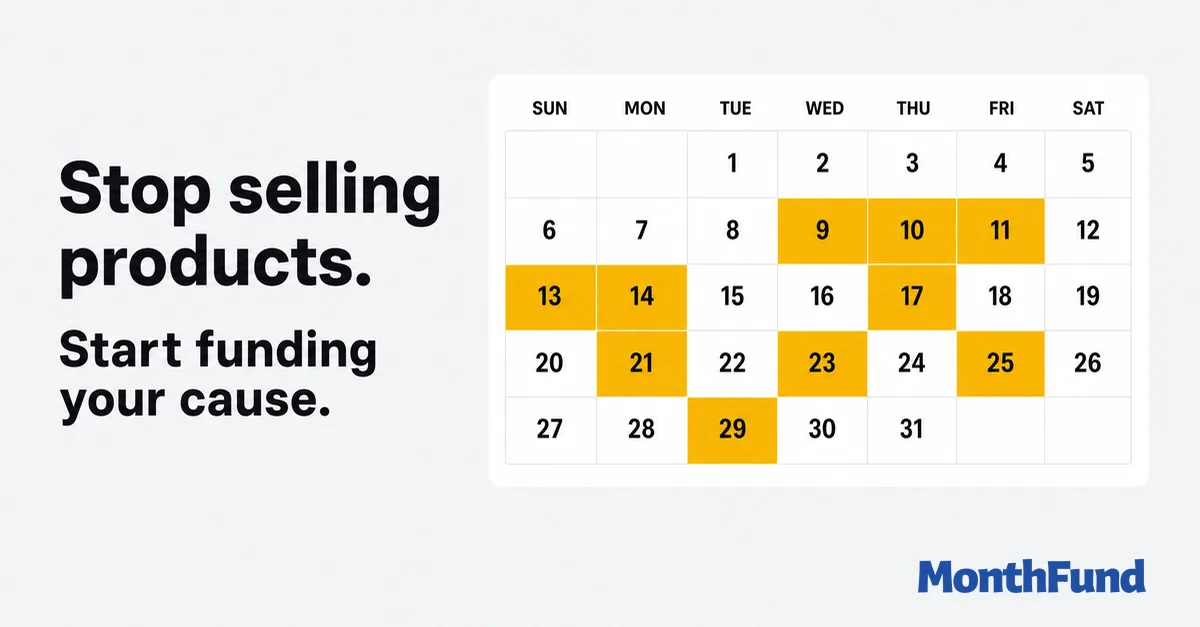
Calendar fundraiser template: the grid, the pricing, and the messaging, ready to copy
Everything you need to build a calendar fundraiser today: the 31-day grid layout, three pricing ladders with their totals, the header copy, and the tracking sheet. Recreate it in any doc or spreadsheet in twenty minutes, or run the same structure digitally.
Cheer fundraising ideas: 12 ways to fund competition season without selling
Competition fees, uniforms, choreography, and travel are all due before the first routine hits the mat. Twelve cheer fundraising ideas ranked by effort and payoff, most with no products and no door-to-door, so the squad funds the season instead of chasing money mid-schedule.
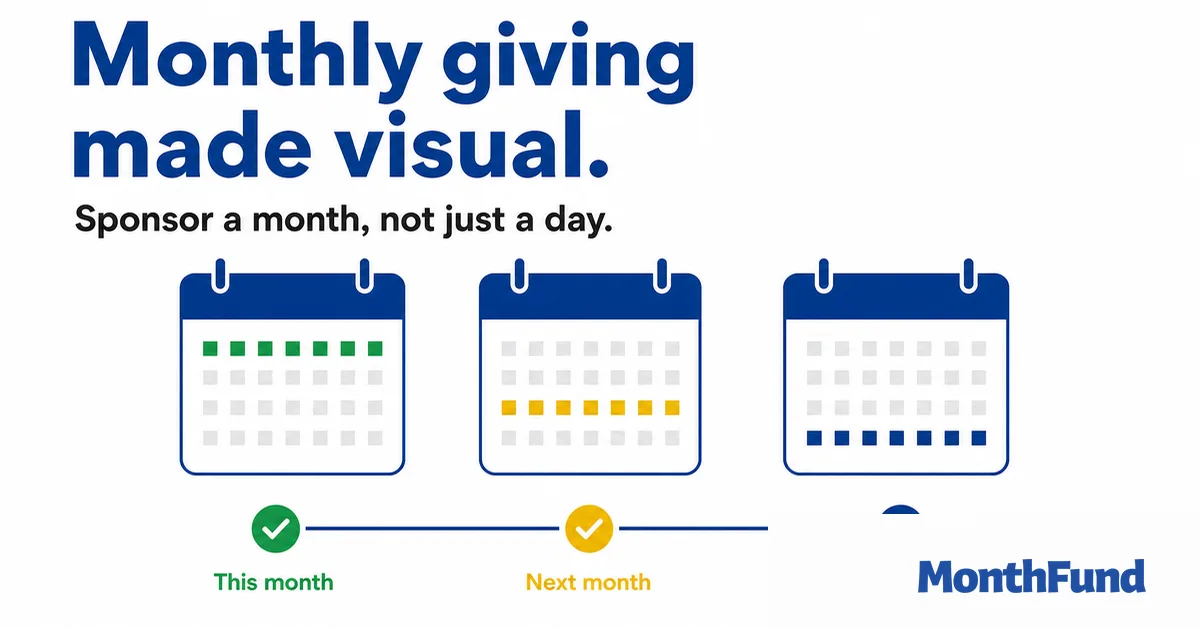
Church fundraising ideas: 16 ways for congregations to raise more in 2026
A practical fundraising guide for churches, not theology or tax advice. Sixteen church fundraising ideas grouped by effort and timing, with notes on what each tends to raise and who should run it, so your leadership can build a real mix instead of leaning on the offering plate.
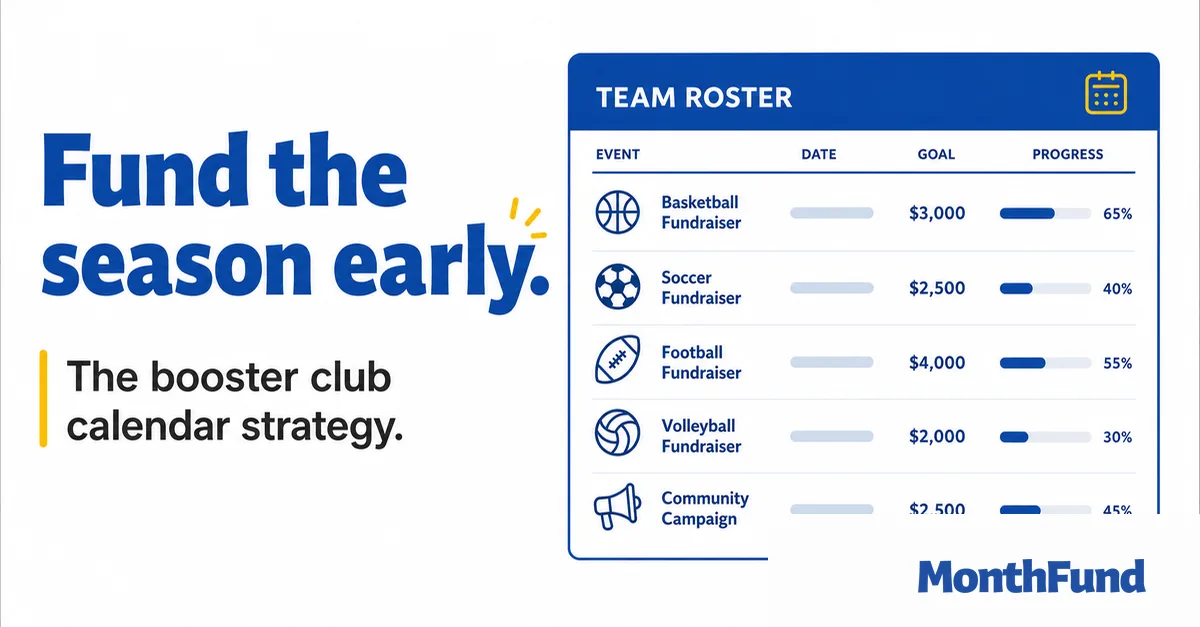
Fall calendar fundraiser playbook: August to October timing and back-to-school recruitment
Fall hands you something spring never does: a fresh roster. Back-to-school night puts every parent in one room, budgets are set in September, and holiday fatigue has not started. Here is how to time a fall calendar fundraiser, recruit at the start of the year, and close before November eats the attention.
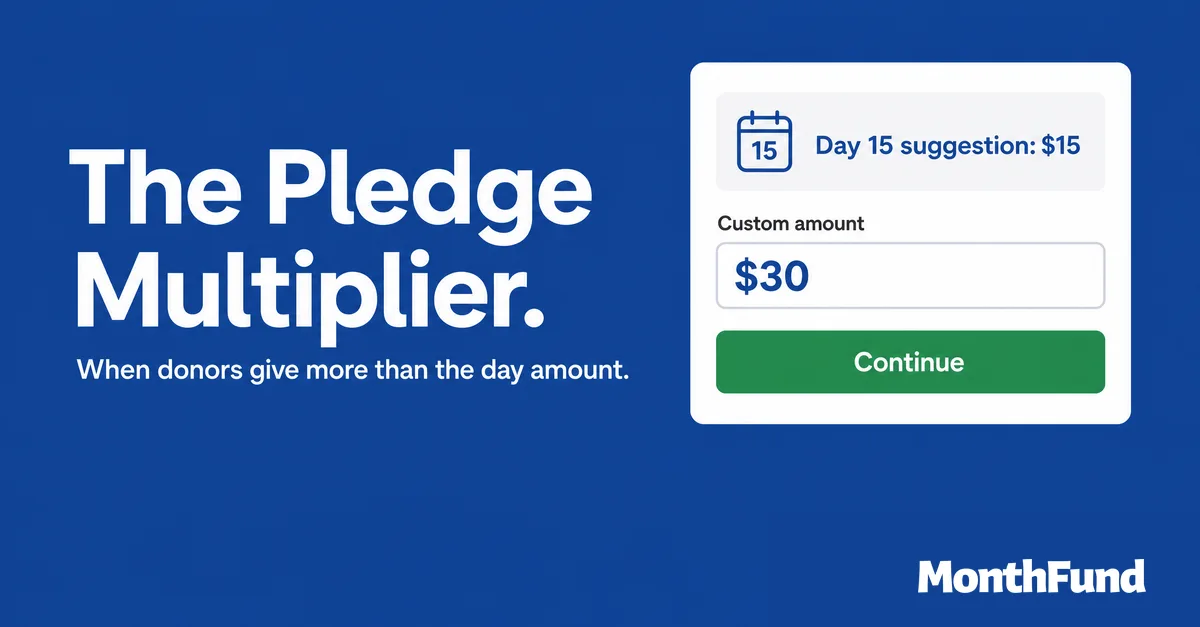
The Pledge Multiplier: when donors give more than the day amount
The day amount is a floor, not a ceiling. When Day 15 suggests $15 and a donor gives $30, your calendar beats its own math. Here is how to invite bigger gifts without pressure, and what the uplift does to a $496 baseline.
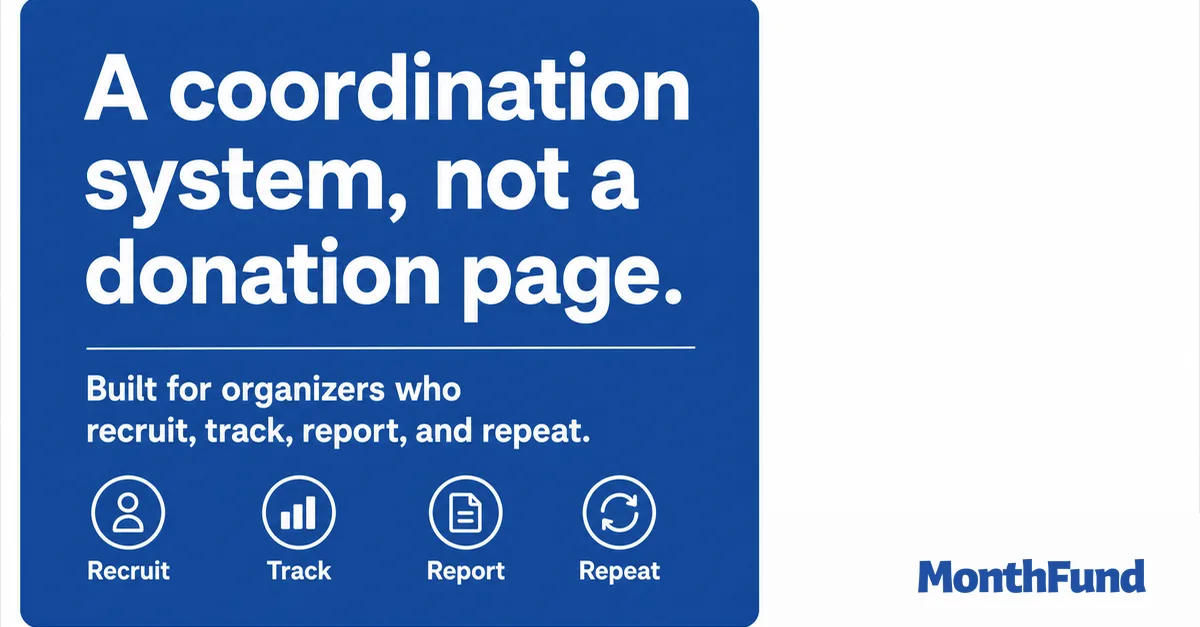
A coordination system, not a donation page: what fundraising software should actually do
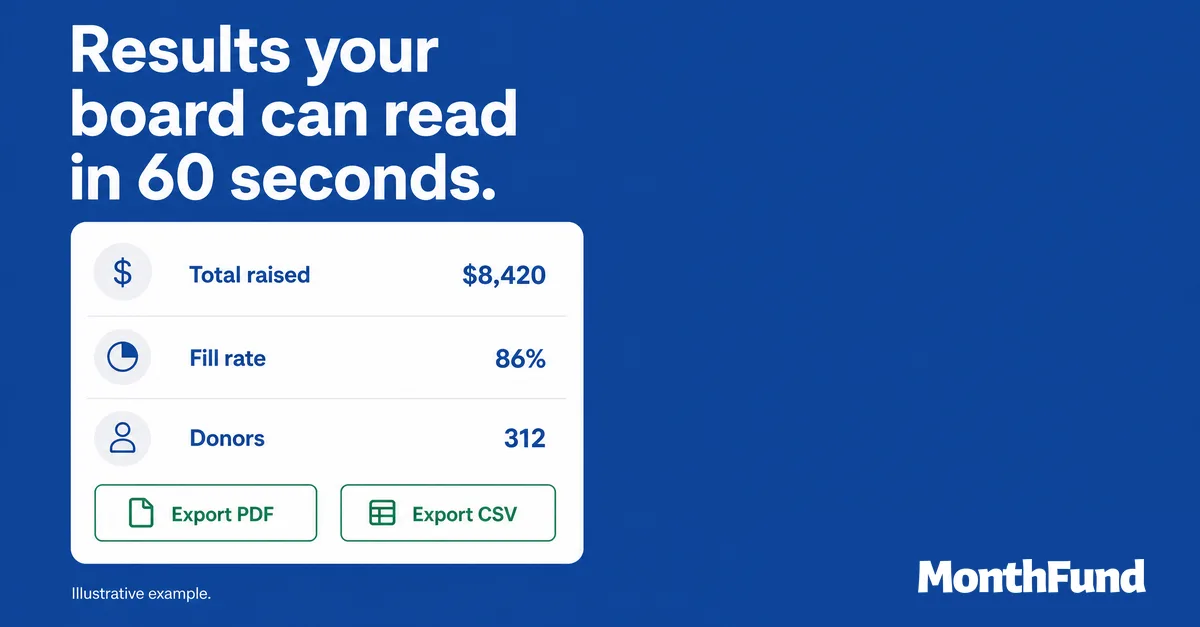
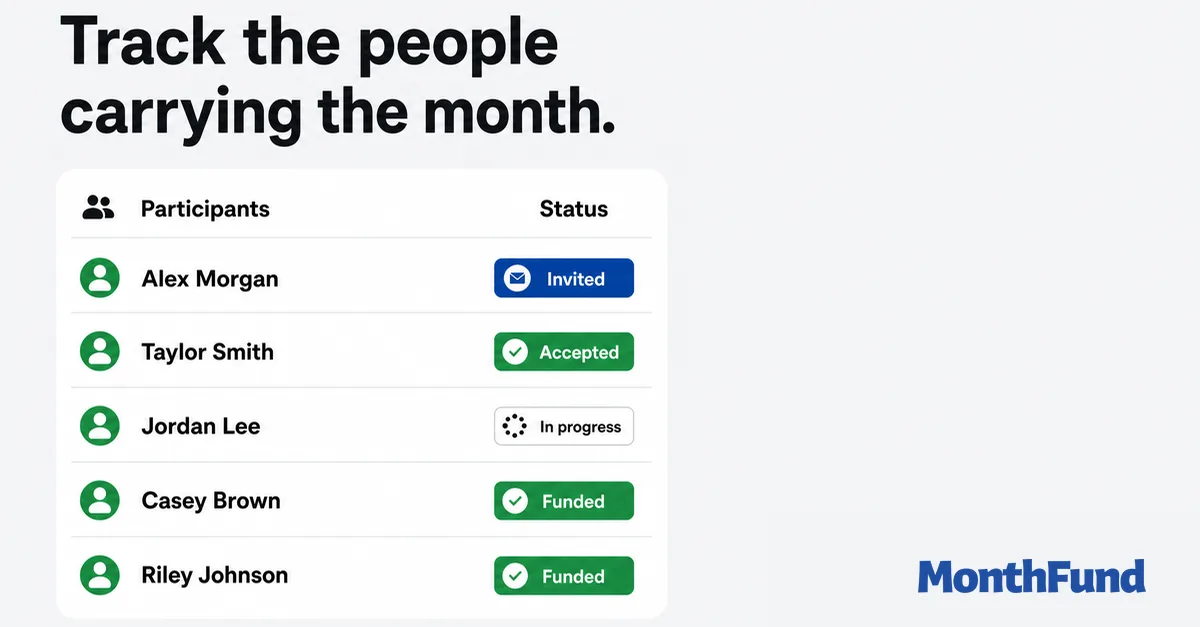
A donation page collects money. It does not recruit participants, track who is carrying the month, or produce a report your board can read. Here is the difference between collecting and coordinating, and how to tell which one your campaign needs.

Classroom fundraiser: how teachers fund their own classroom directly
Teachers spend hundreds of their own dollars every year on supplies. A classroom calendar fundraiser gives one teacher one month grid, day-level asks parents understand, and flexible funds, without waiting on a grant, a product sale, or an approval queue.
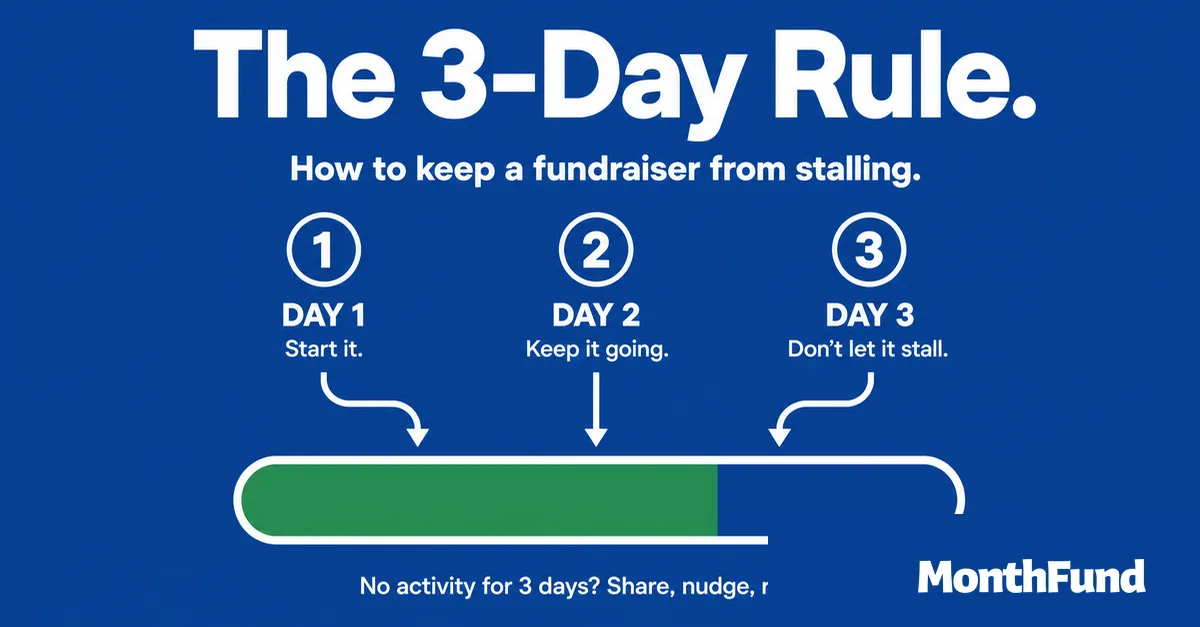
The 3-Day Rule: how to keep a fundraiser from stalling
Most fundraisers do not fail. They stall. The 3-Day Rule is a simple check: if nothing happened on your campaign for three days, you make one move that day: share, nudge, or spotlight. Here is how to spot a stall early and restart it.
Sports team fundraising ideas: 15 ways to fund the season without selling
Travel soccer, baseball, cheer, and every team in between face the same bill: tournament fees, uniforms, and hotel blocks due before the season starts. Fifteen team fundraising ideas ranked by effort and payoff, so you can fund the season early instead of chasing money mid-schedule.
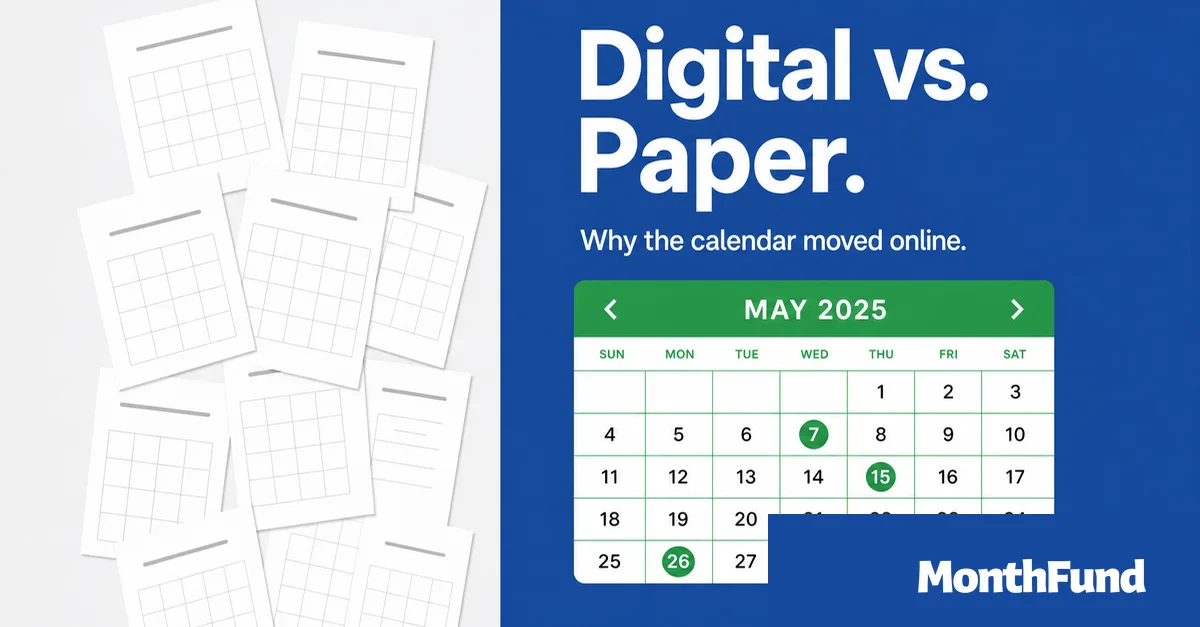
Digital vs. paper calendar fundraiser: why the grid moved online
A paper calendar fundraiser works until someone has to track who claimed Day 14. Here is what the printable template gets right, where it breaks, and what a digital grid adds: live progress, one page per participant, and totals that reconcile themselves.
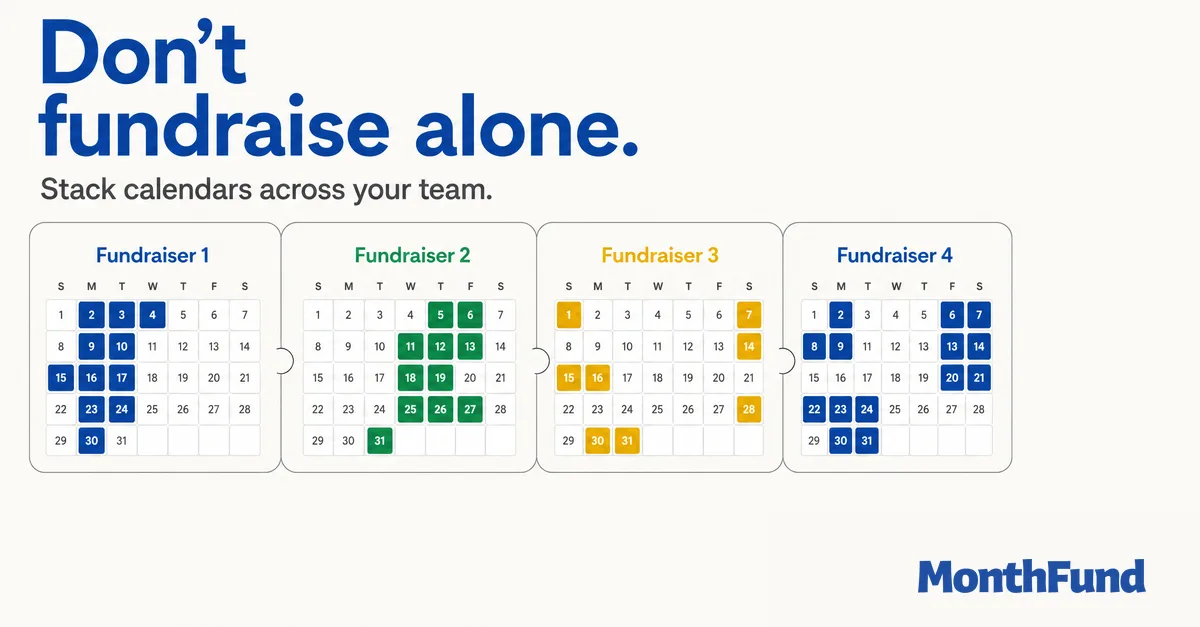
People powered fundraising: many hands, one month, no hero required
People powered fundraising means many people each carry a small, visible piece of the goal, so no one person carries the whole month. Here is how boards, giving circles, congregations, and neighbors run it on one calendar grid, and why it belongs in the core toolkit of any group that raises money.
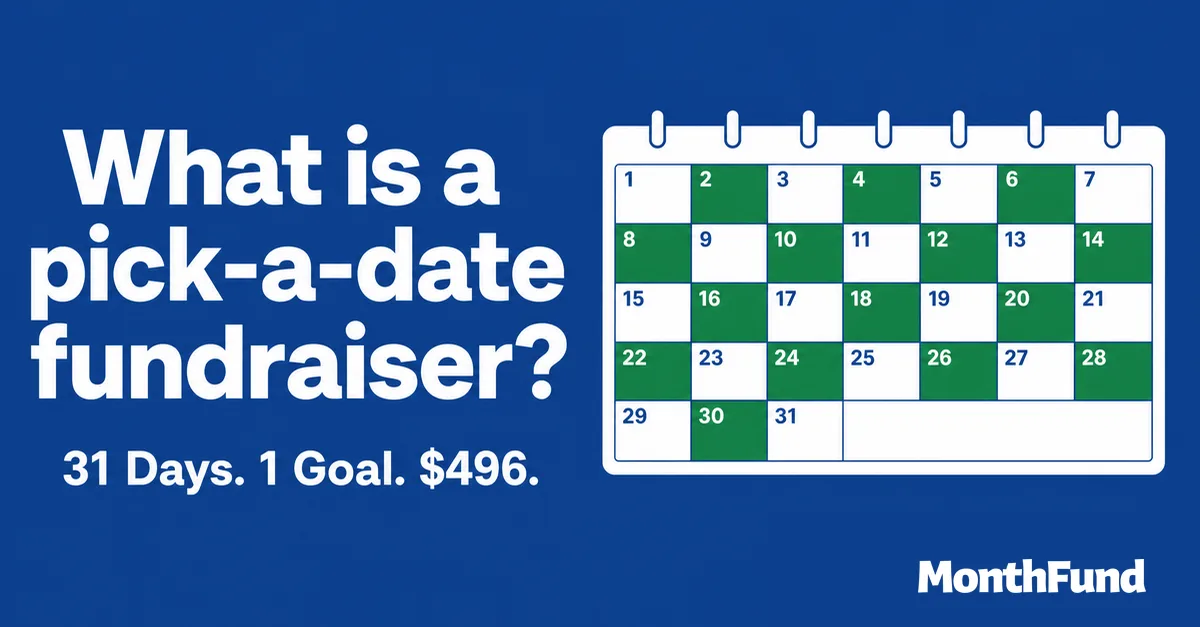
21 Pick-a-Date Fundraiser Messages: Texts, Emails, and Social Posts
Copy 21 pick-a-date fundraiser messages for launch day, open calendar dates, mid-campaign reminders, final pushes, sponsor matches, and donor thank-yous.
School fundraising ideas for 2026: 20 that work, ranked by effort and payoff
Most school fundraising advice is just a list of products to sell. This is a ranked survey of 20 ideas grouped by how much work they take and what they actually raise, so a PTA, PTO, or booster club can pick the right one this year instead of defaulting to another catalog.
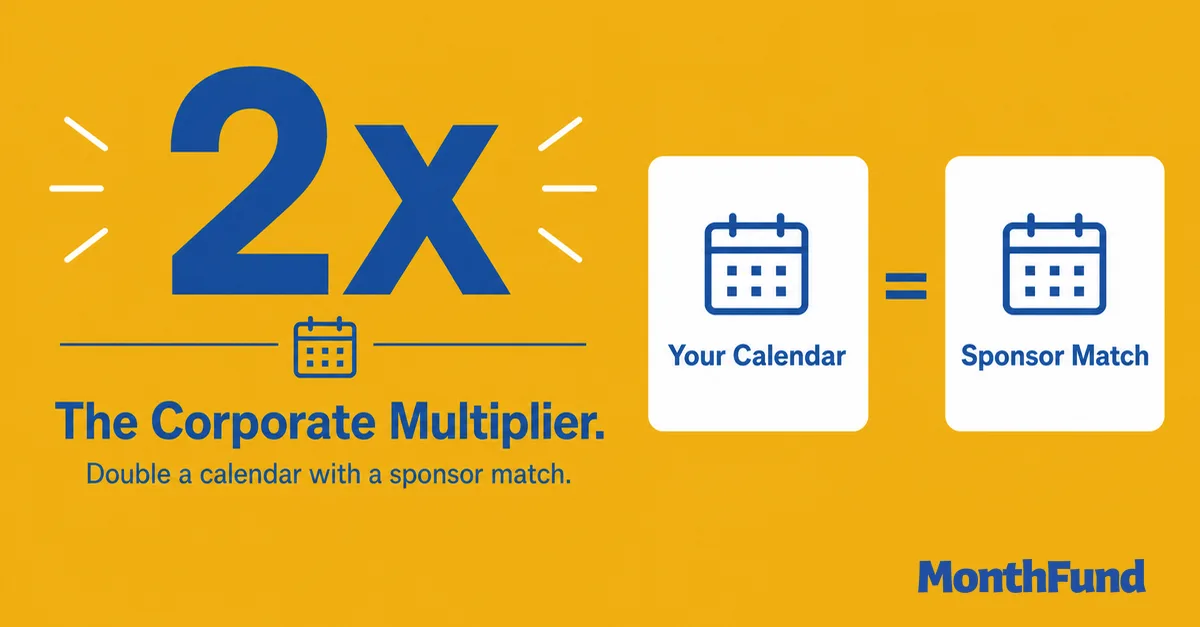
Creative corporate sponsorship ideas for calendar fundraisers
Beyond the logo placement. The Buy a Row model, Infrastructure Sponsor, and Milestone Match give businesses a gamified, high-visibility role in your calendar fundraiser while scaling your baseline.
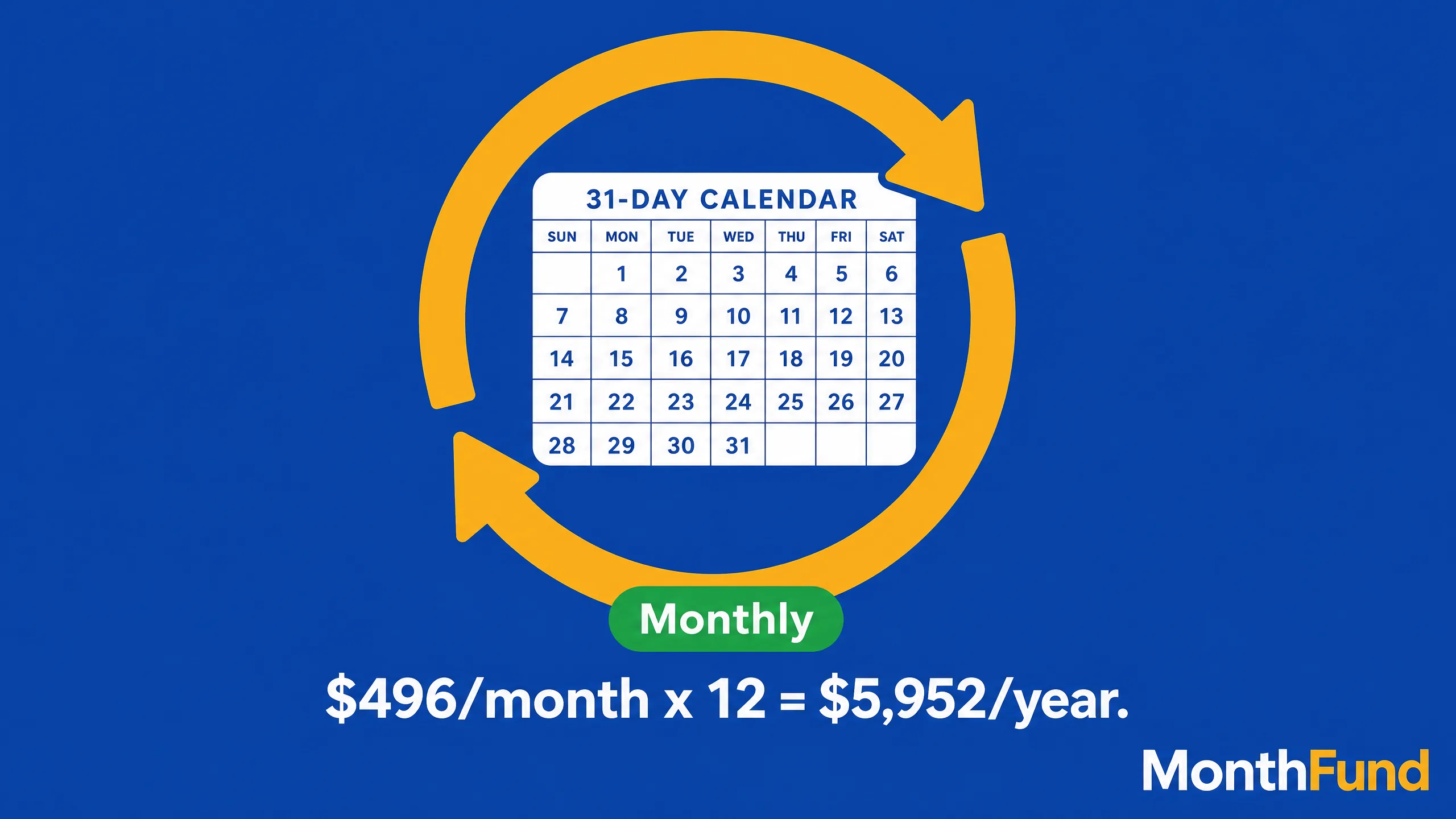
How to build a recurring calendar fundraiser for monthly revenue
Turn a one-time $496 drive into $5,952 in annual recurring revenue. A Recurring Calendar Fundraiser converts donors from one-time givers into monthly subscribers by having them own a day of the month.
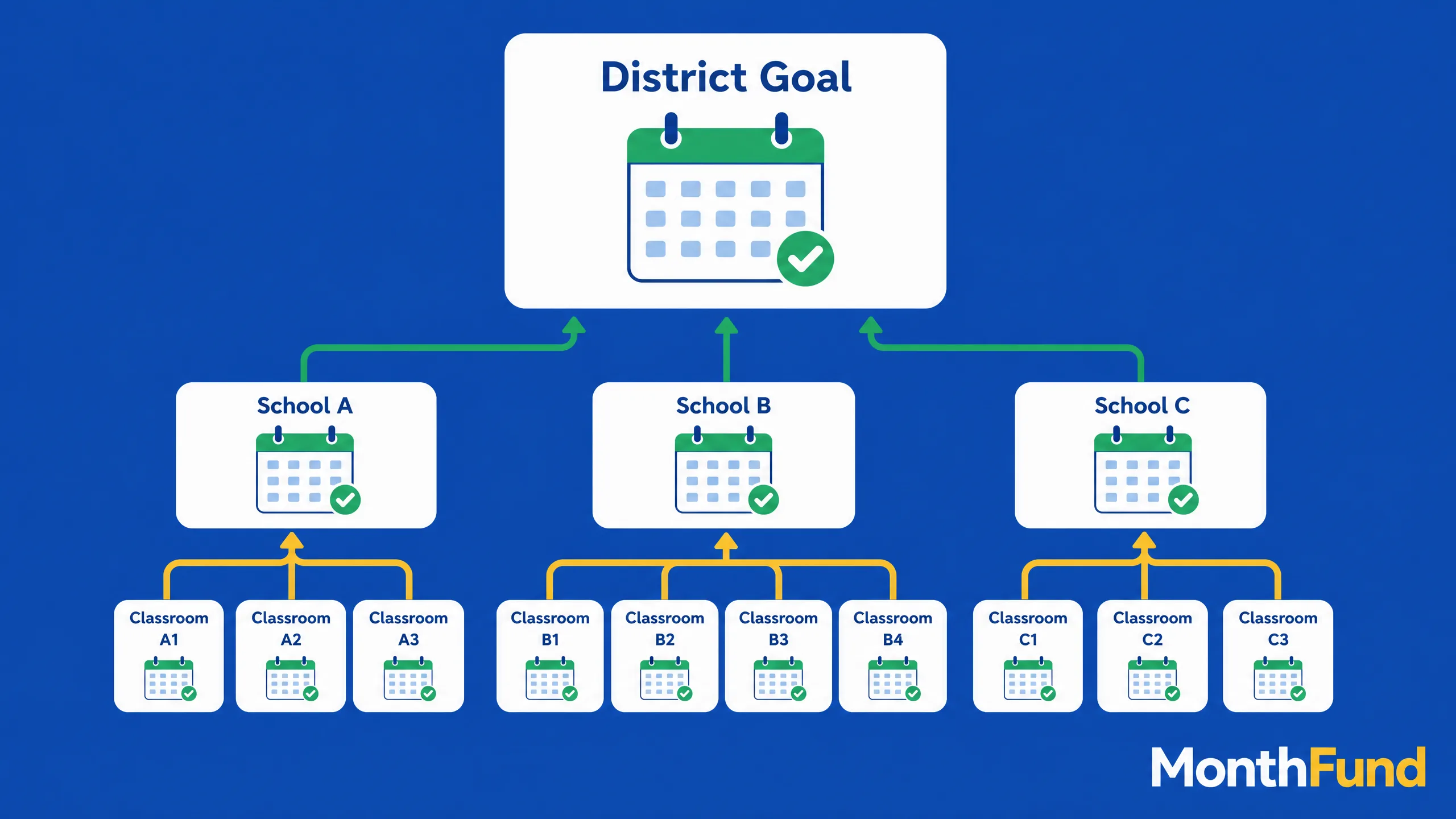
The Tiered Mega-Calendar: how school districts and large nonprofits scale
For large institutions, one campaign is not enough. The Tiered Mega-Calendar structure distributes execution to the classroom or chapter level while rolling all data up to a central goal.
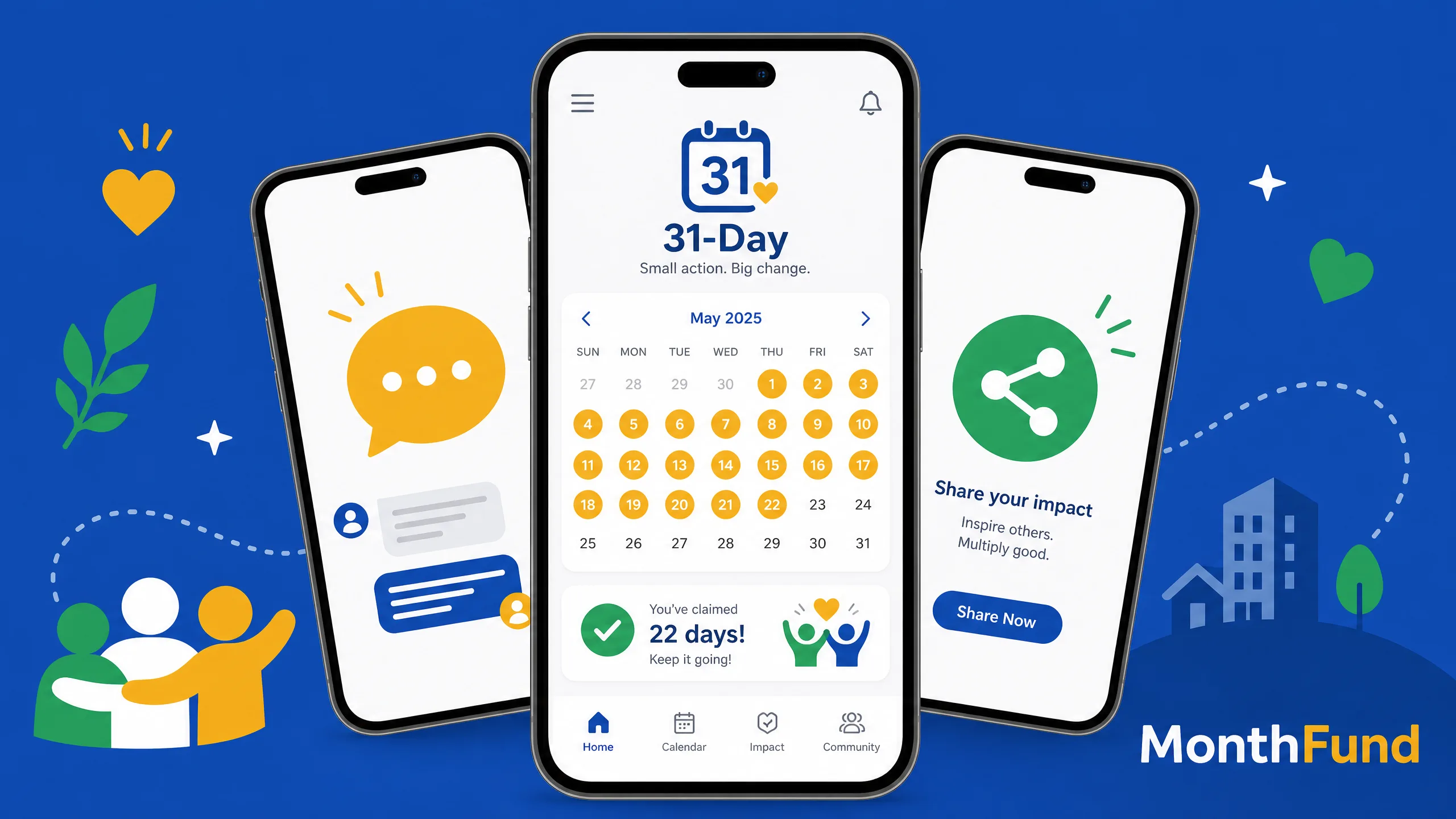
How to run a successful calendar fundraiser (pick a date playbook)
Whether you call it a calendar fundraiser or a pick a date fundraiser, most months stall for the same reasons: fuzzy goals, one shared link, and an empty grid on launch day. This step-by-step playbook shows how to recruit participants, fill days on purpose, and finish the month strong.
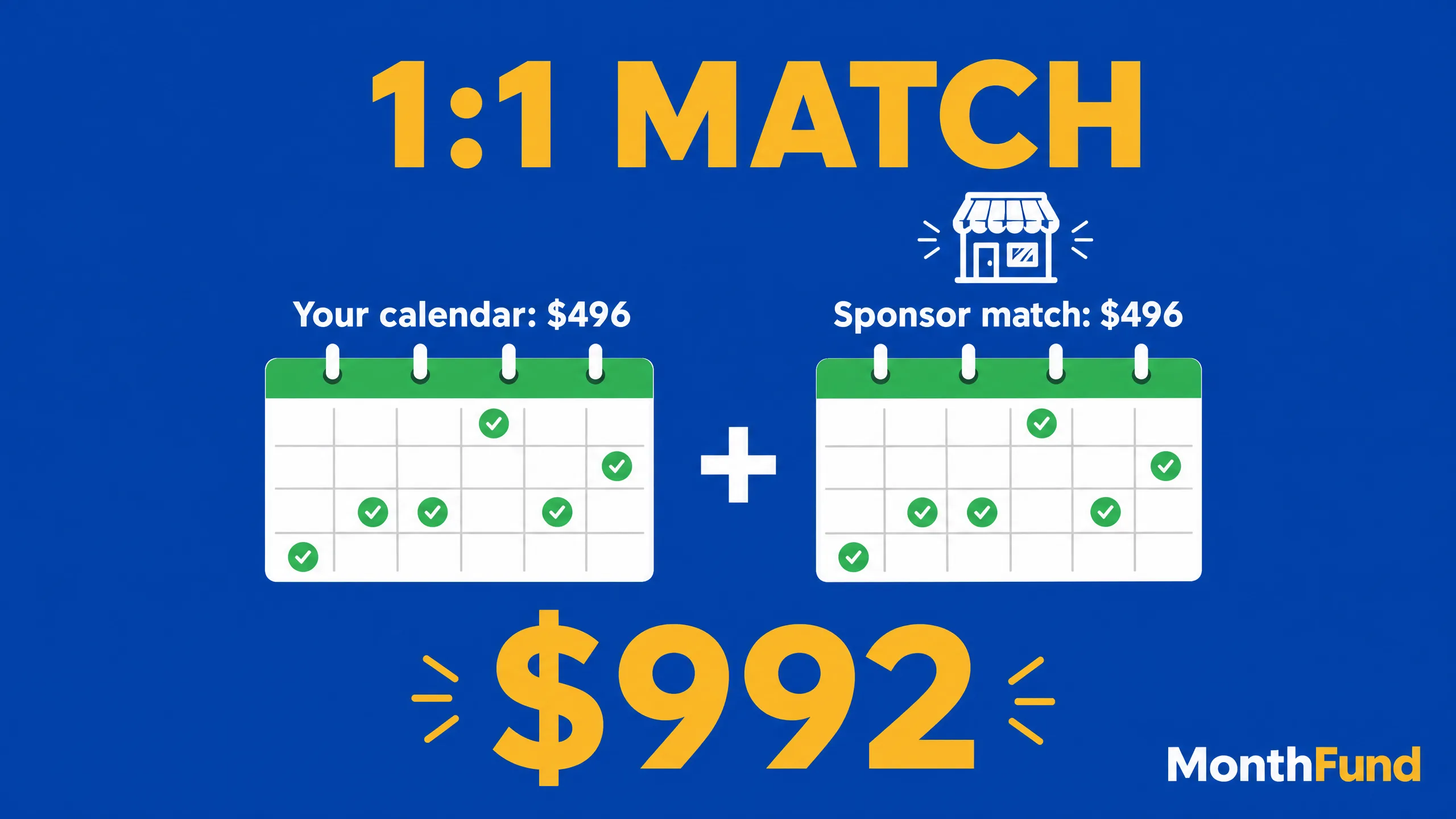
How to get a sponsor match for your calendar fundraiser
A 1:1 sponsor match turns a $496 calendar into a $992 calendar instantly. Here is how to structure a Direct Match, a Challenge Match, and how to pitch a local business on the partnership.
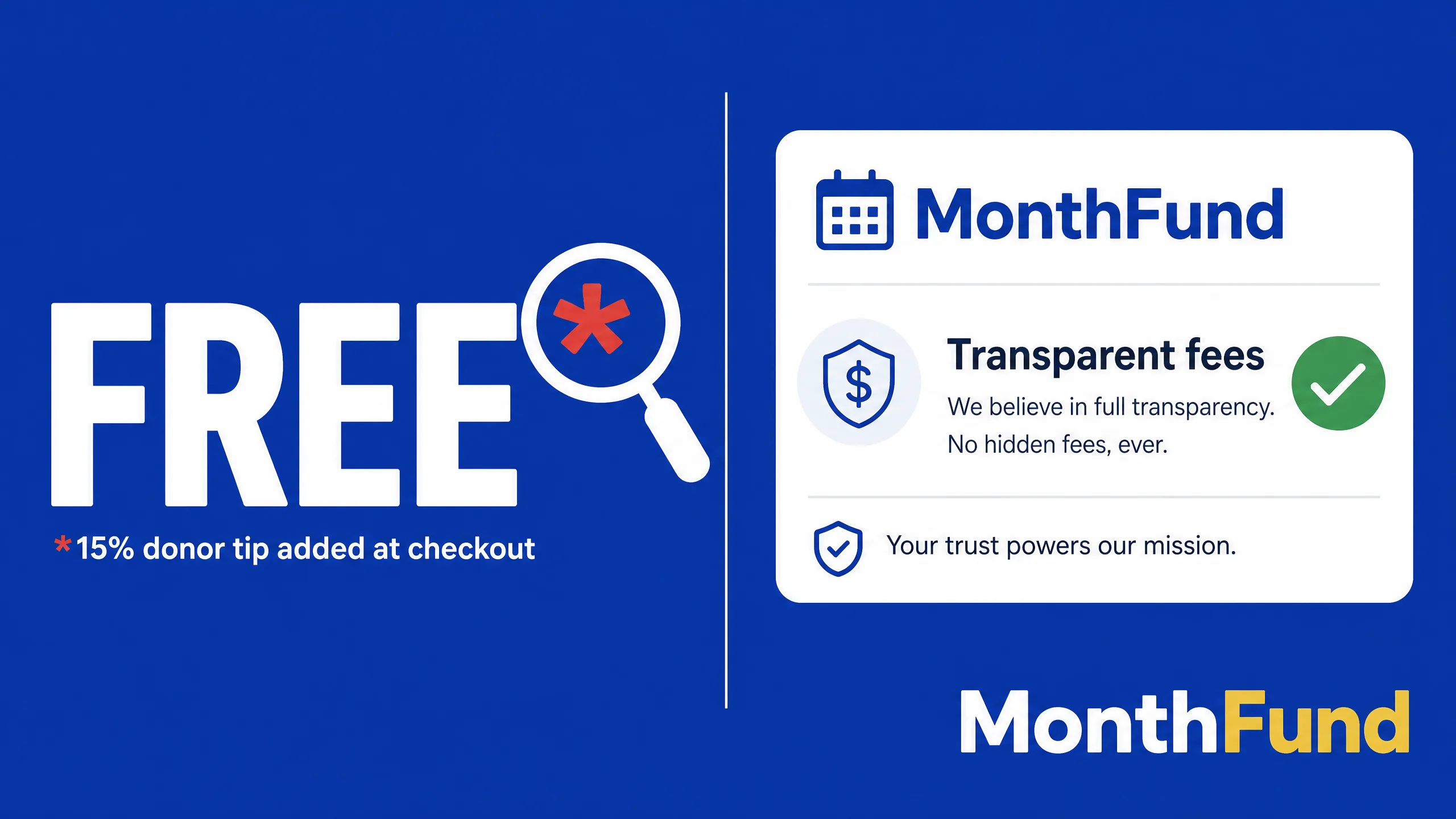
How Fundraising Platforms Make Money: The 3 Revenue Models Explained
A plain-math guide to how fundraising software companies generate revenue: platform fees, donor tips, and processing markups. Understand what you are actually paying.
Mosque fundraising ideas: 16 ways for masjids to raise more in 2026
A practical fundraising guide for masjids, not religious or tax advice. Sixteen mosque fundraising ideas grouped by effort and timing, with notes on what each tends to raise and who should run it, so your board can build a real mix instead of leaning on the Friday basket.
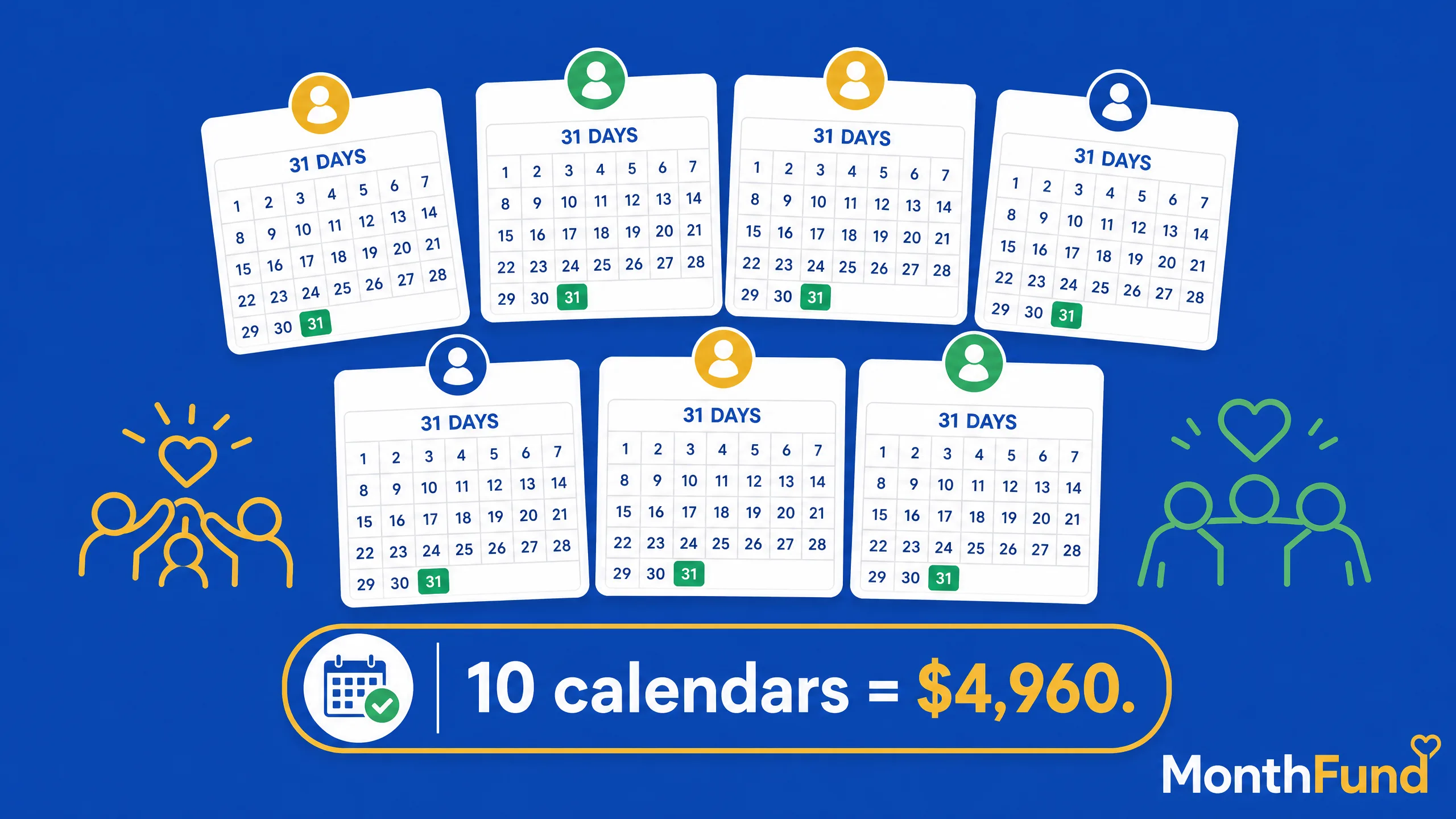
Multi-Calendar Stacking: the fastest way to scale a calendar fundraiser
Instead of one central calendar, give every participant their own 31-day grid. Ten participants create a $4,960 baseline. Twenty-five create $12,400. Here is how to build and manage the stack.
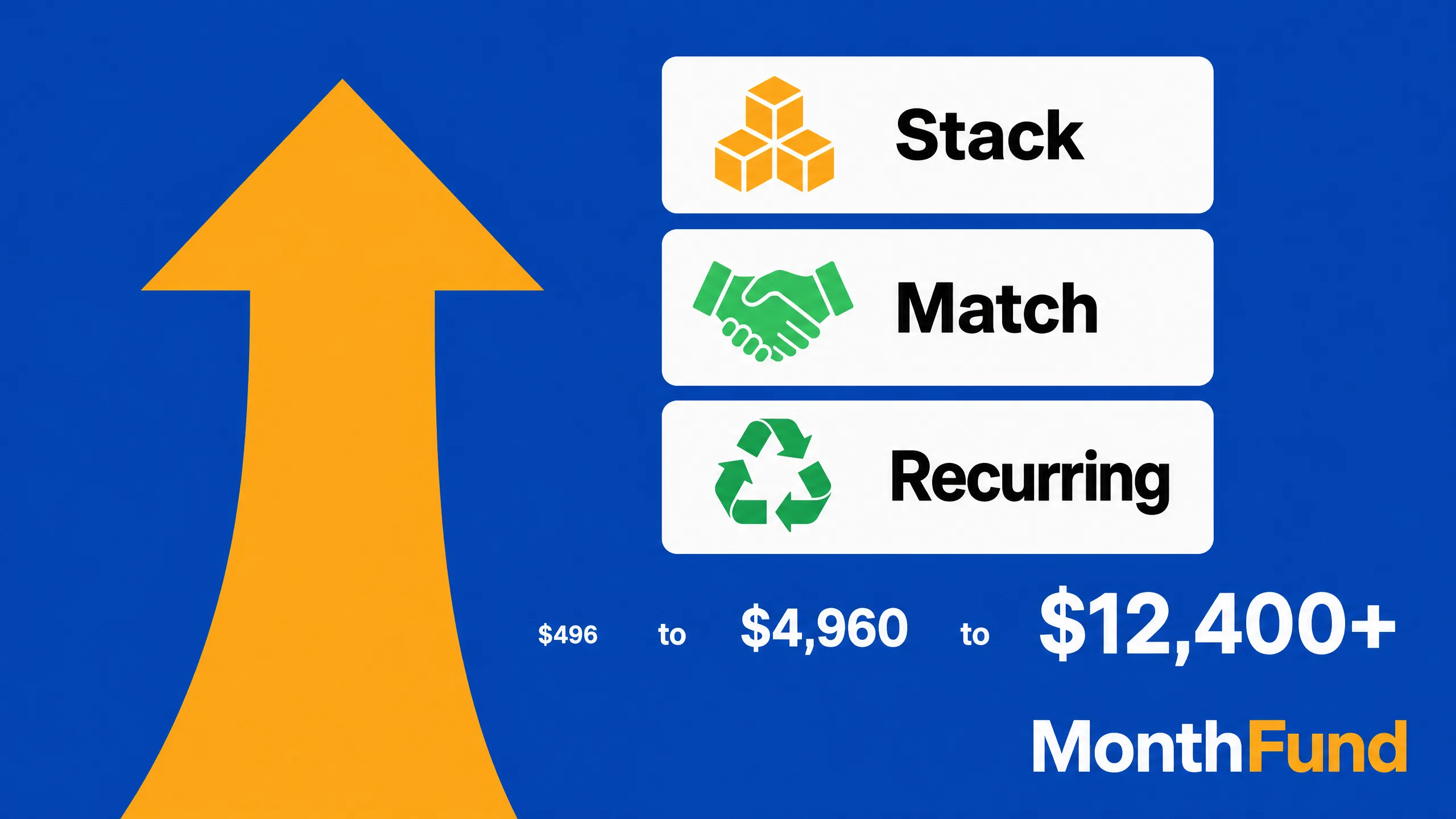
How Much Can a Calendar Fundraiser Raise? $496 Math
$496 = 1+…+31 (formula n(n+1)/2). Scale with personal calendars × fill rate — model free on the calculator. Planning baselines, not promises.
Are "free" calendar fundraiser platforms really free? Donor tips vs. transparent fees
Almost every calendar fundraiser platform advertises 0% platform fees. The catch is usually a donor tip defaulted at checkout (Zeffy defaults to 15 to 17 percent), or processing fees that were never free. Here is how the tip model works, what it actually costs your cause, and how to compare it to a transparent fee.
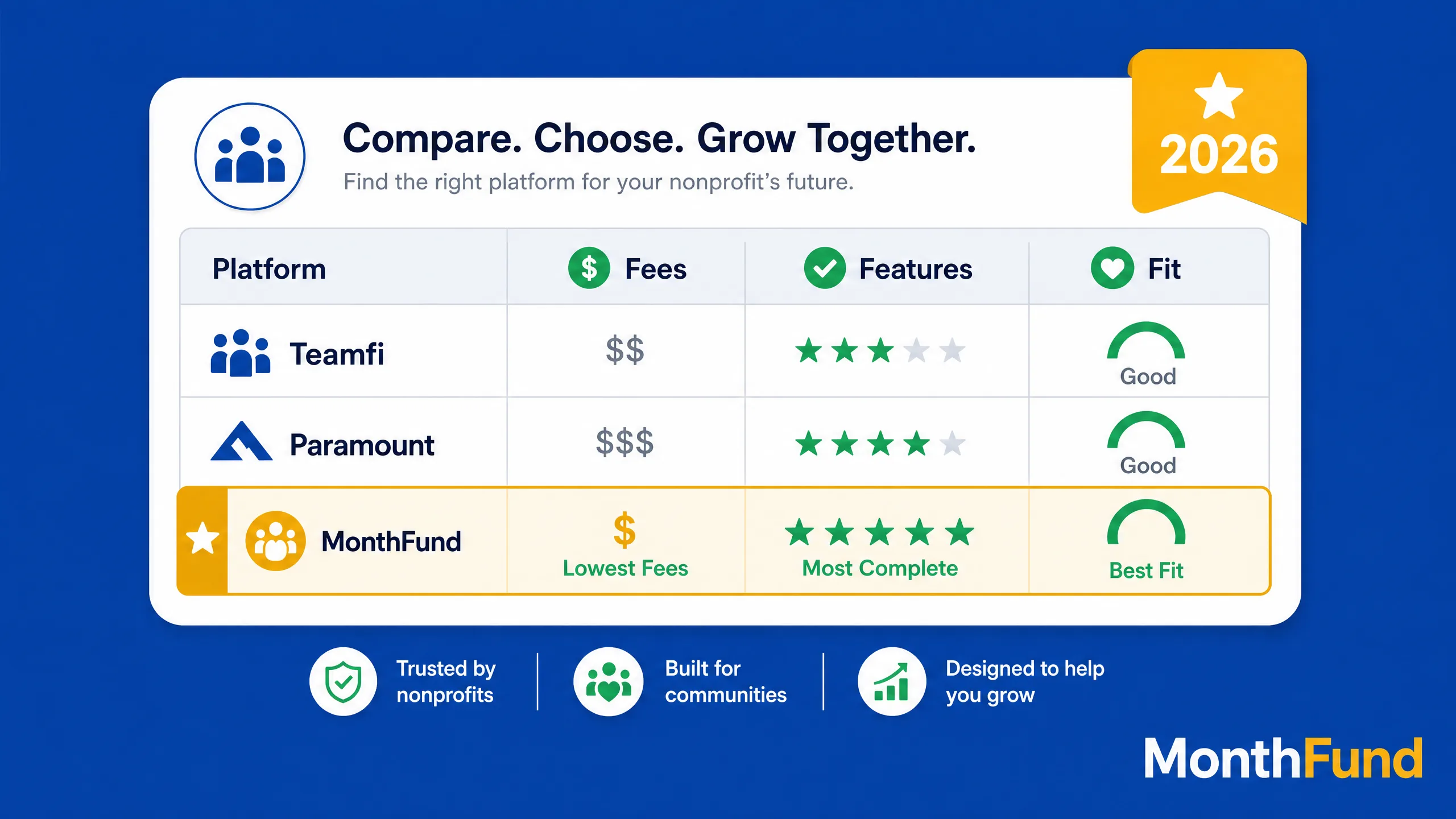
Best calendar fundraiser platforms in 2026: an honest comparison
Teamfi, Paramount Fundraising, CalendarFundraiser, Every Penny, 99Pledges, Zeffy, and MonthFund all run some version of the pick a date model. Here is an honest, side-by-side look at fees, features, and who each one fits, so you can choose the right calendar fundraiser platform for your organization.
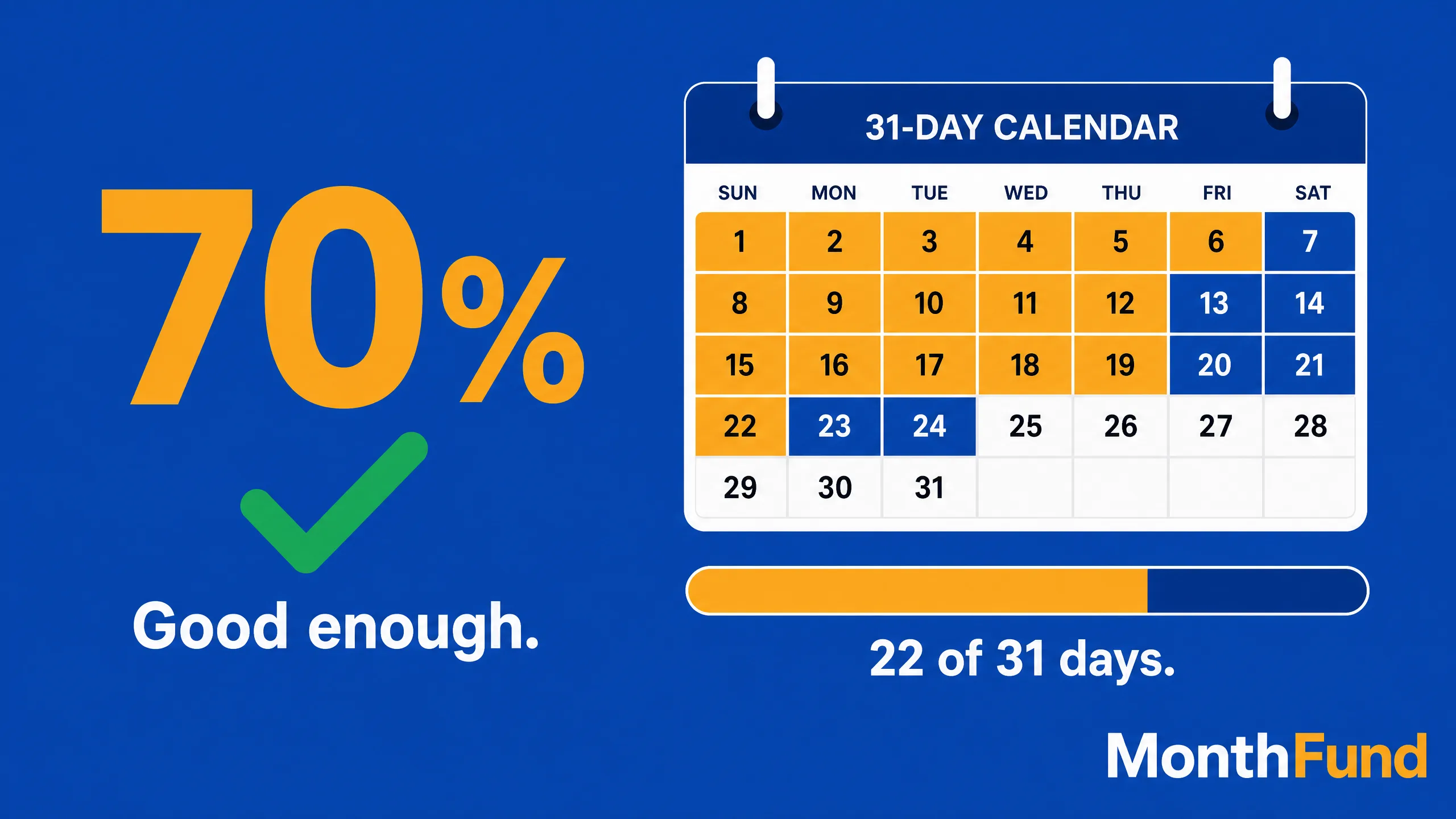
Calendar fundraiser fill rate: what good enough actually looks like (and how to plan for it)
Treasurers ask whether 70% is a failure. It is not. A calendar fundraiser fill rate is a planning variable, not a pass-fail grade. Here are the benchmarks by campaign type, how to set board expectations before launch, and what to do when the month closes short of full.
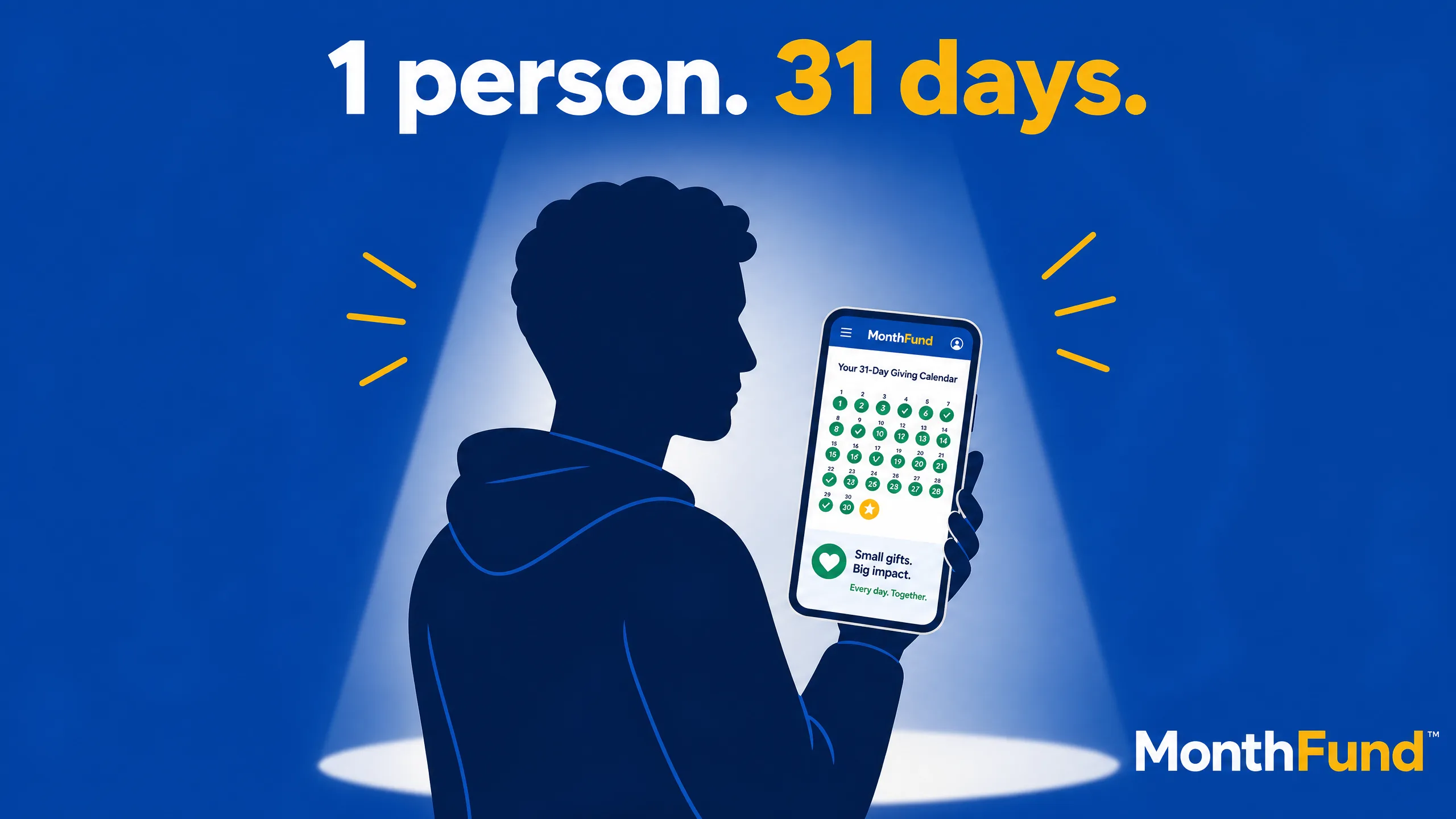
Personal calendar fundraiser: run a solo pick a date month without starting an organization
Teachers, memorial drives, and side projects need structure, not a fake nonprofit signup. A personal calendar fundraiser gives you one public month grid, day-level asks, and direct payouts without recruiting a roster.
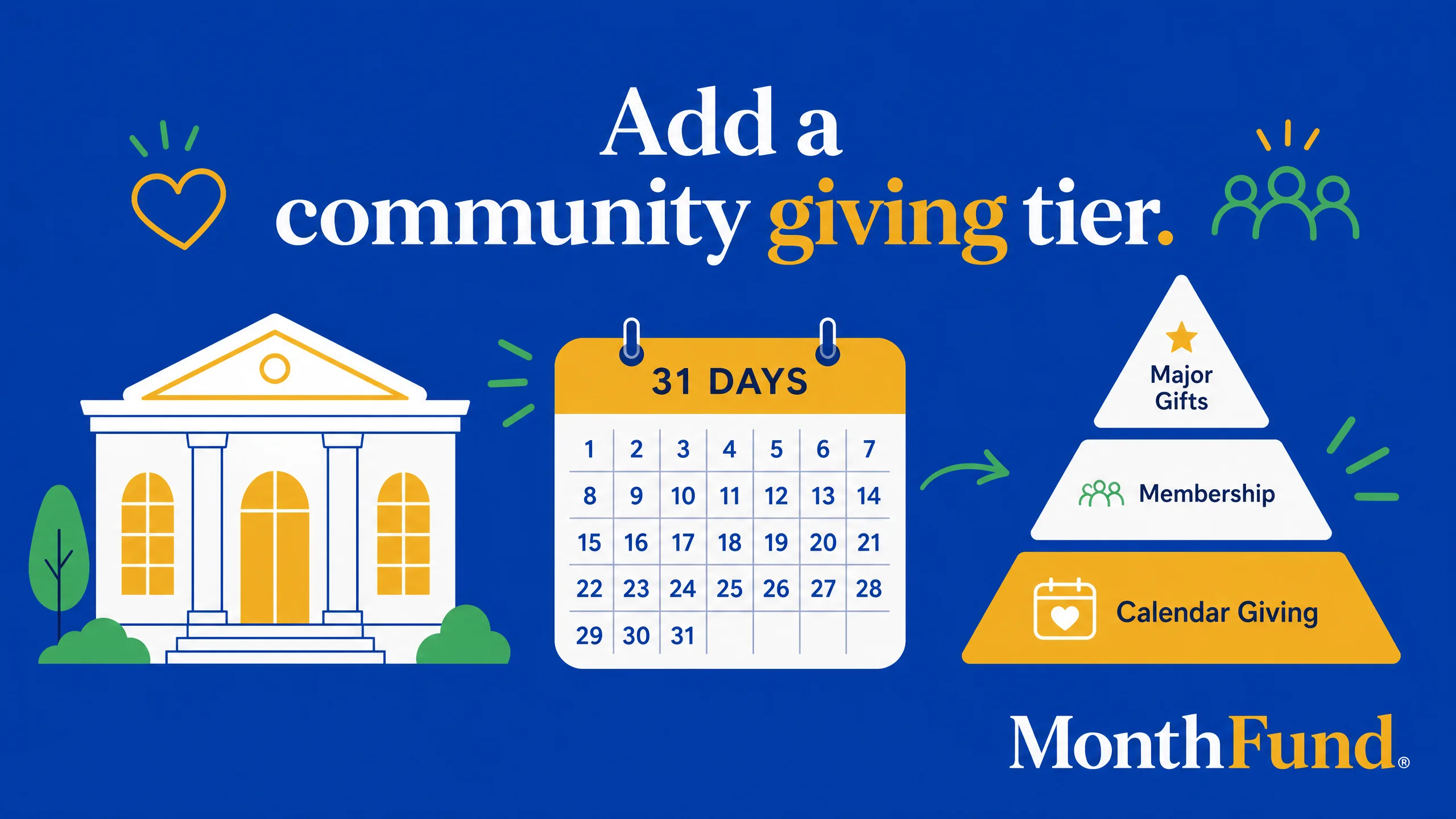
Arts and cultural nonprofits: a calendar fundraiser for the community giving tier
A calendar fundraiser adds a community giving tier for arts nonprofits: patrons become day-owners alongside membership and major gifts. Complements galas; does not replace them.
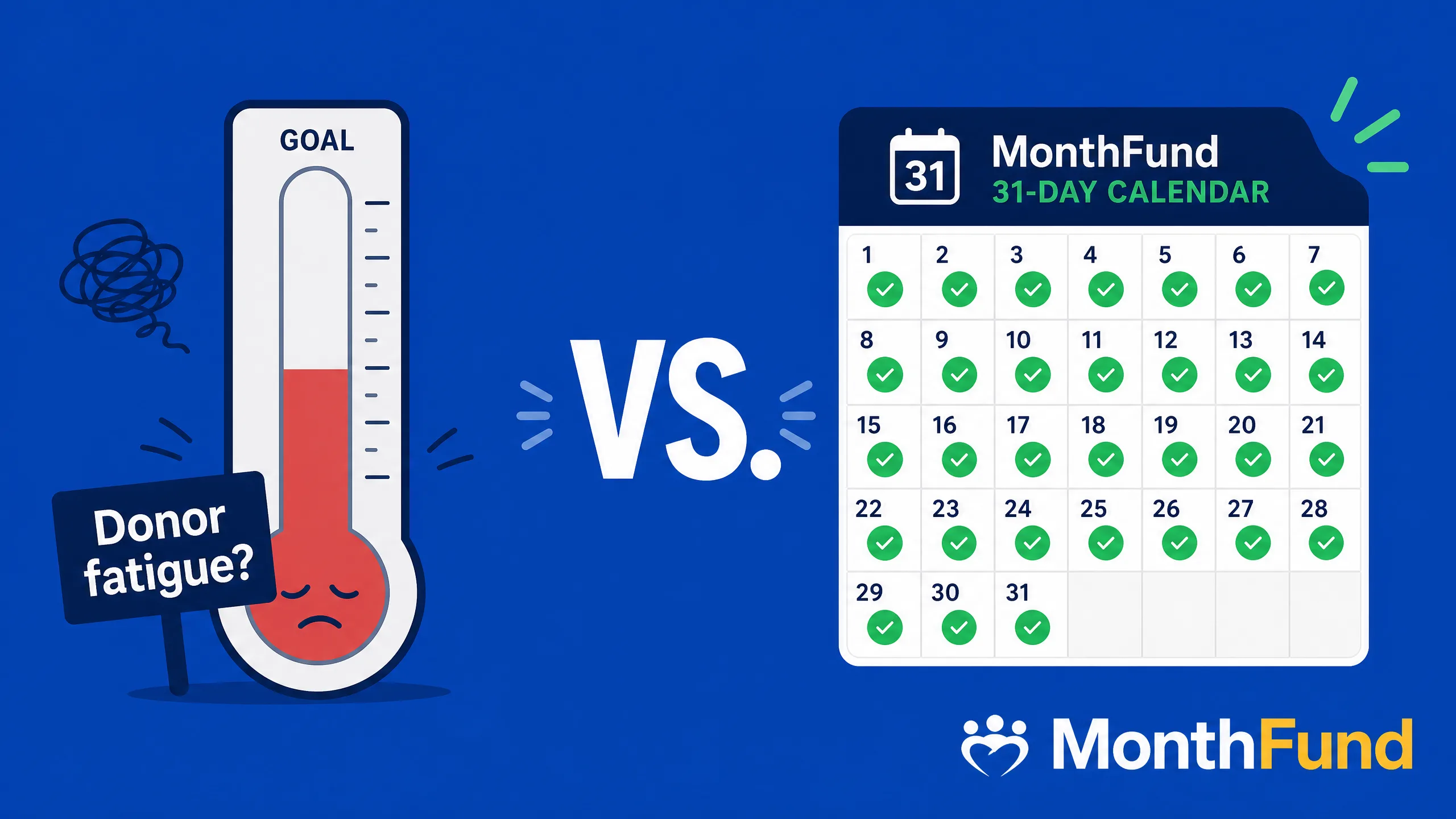
Calendar Fundraiser vs. GoFundMe: Why the Goal Meter Causes Donor Fatigue
GoFundMe is built for emergencies. A calendar fundraiser is built for structured, recurring organizational fundraising. Here is why the open-ended goal meter stalls, and why the 31-day grid works better for schools and teams.
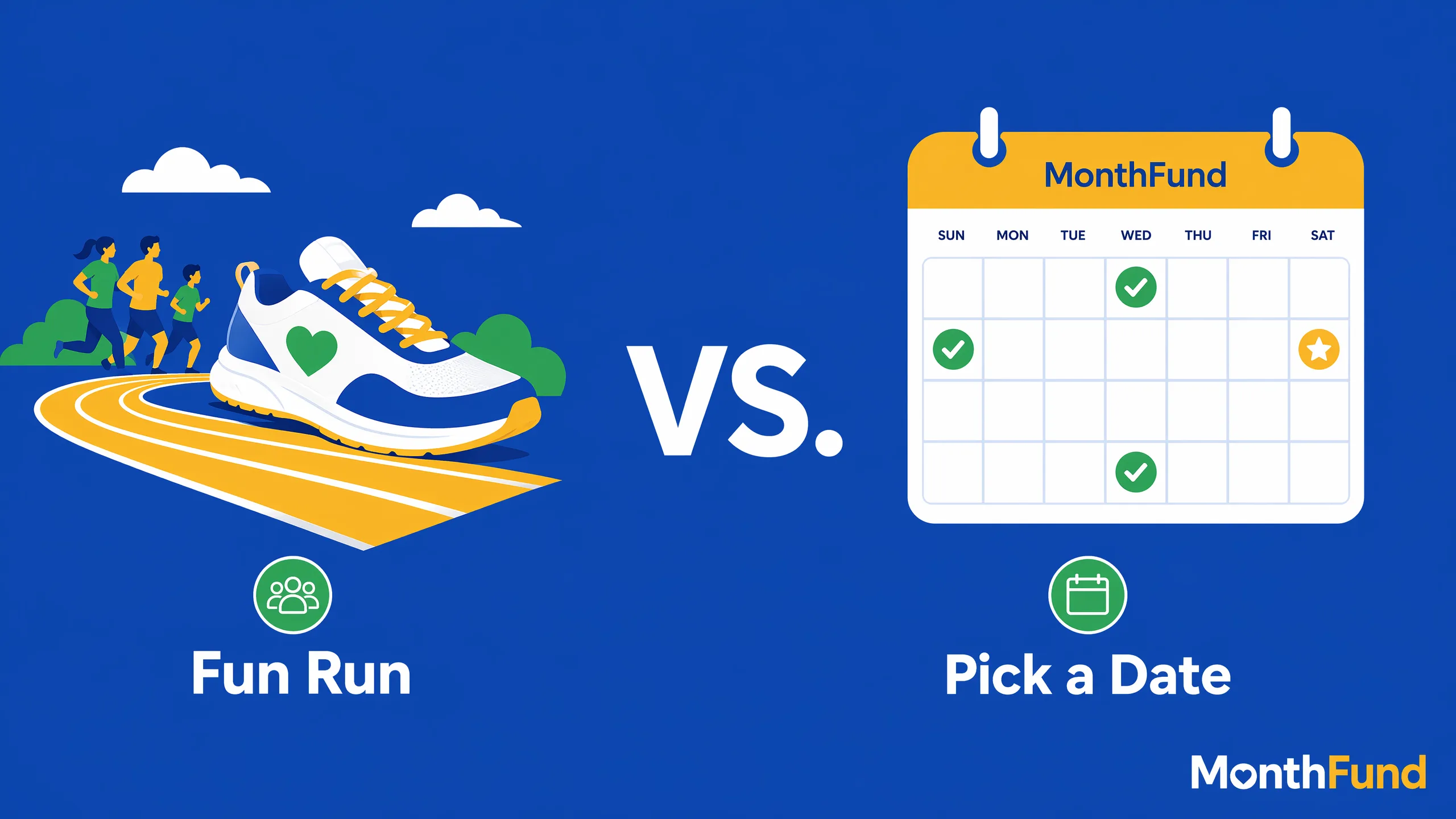
Pick a Date Fundraiser vs. Fun Run: Which is Right for Your School?
Fun runs build community but require massive logistics. Pick a date fundraisers require almost zero logistics but lack the in-person event. Here is how to choose—or how to run both.
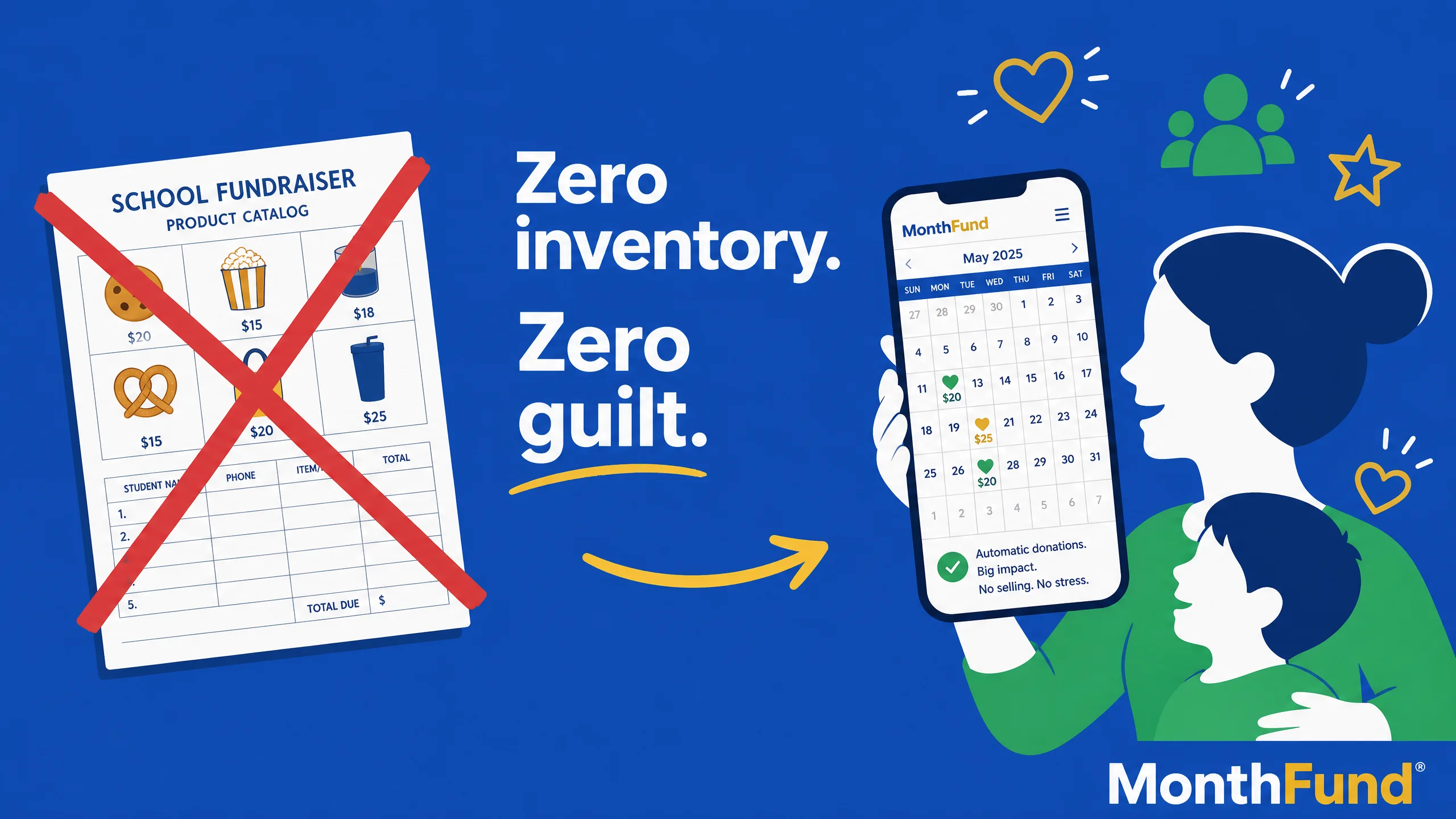
How to Run a School Fundraiser Without Selling Products (That Parents Actually Want to Do)
Tired of catalogs and cookie dough? Run a school fundraiser without selling products using the calendar model: 25 parents, 31 named days, a $12,400 floor, and zero inventory in the gym.
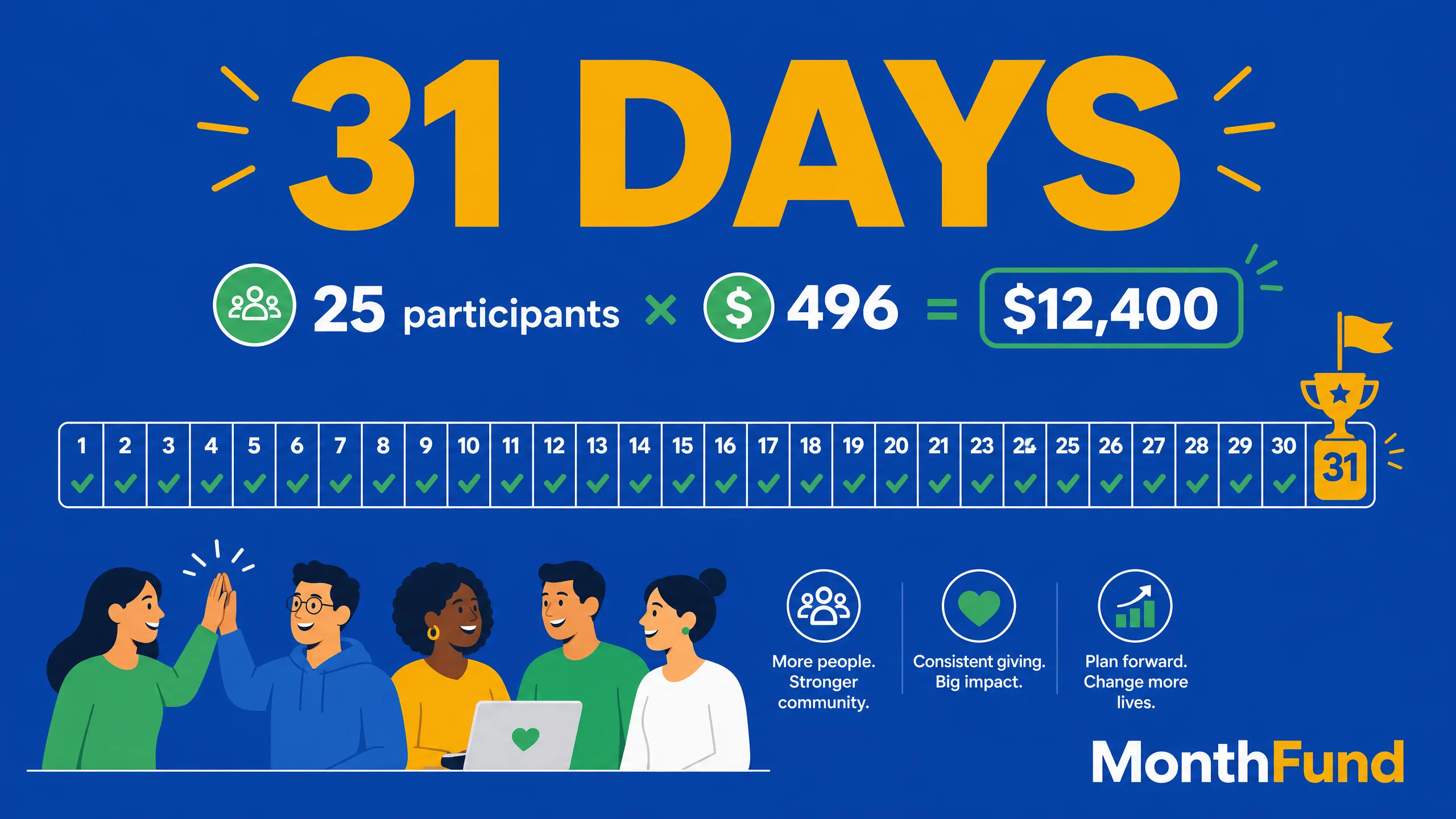
How to hit your fundraising goal in 31 days: the calendar fundraiser math behind a predictable month
Most teams set a goal, hope, and miss. A calendar fundraiser (also called a pick a date fundraiser) lets you set a 31-day target, back into the participant count, and run the month on purpose. Here is the math, the recruit motion, and the cadence we walk through live in the free training every Friday.
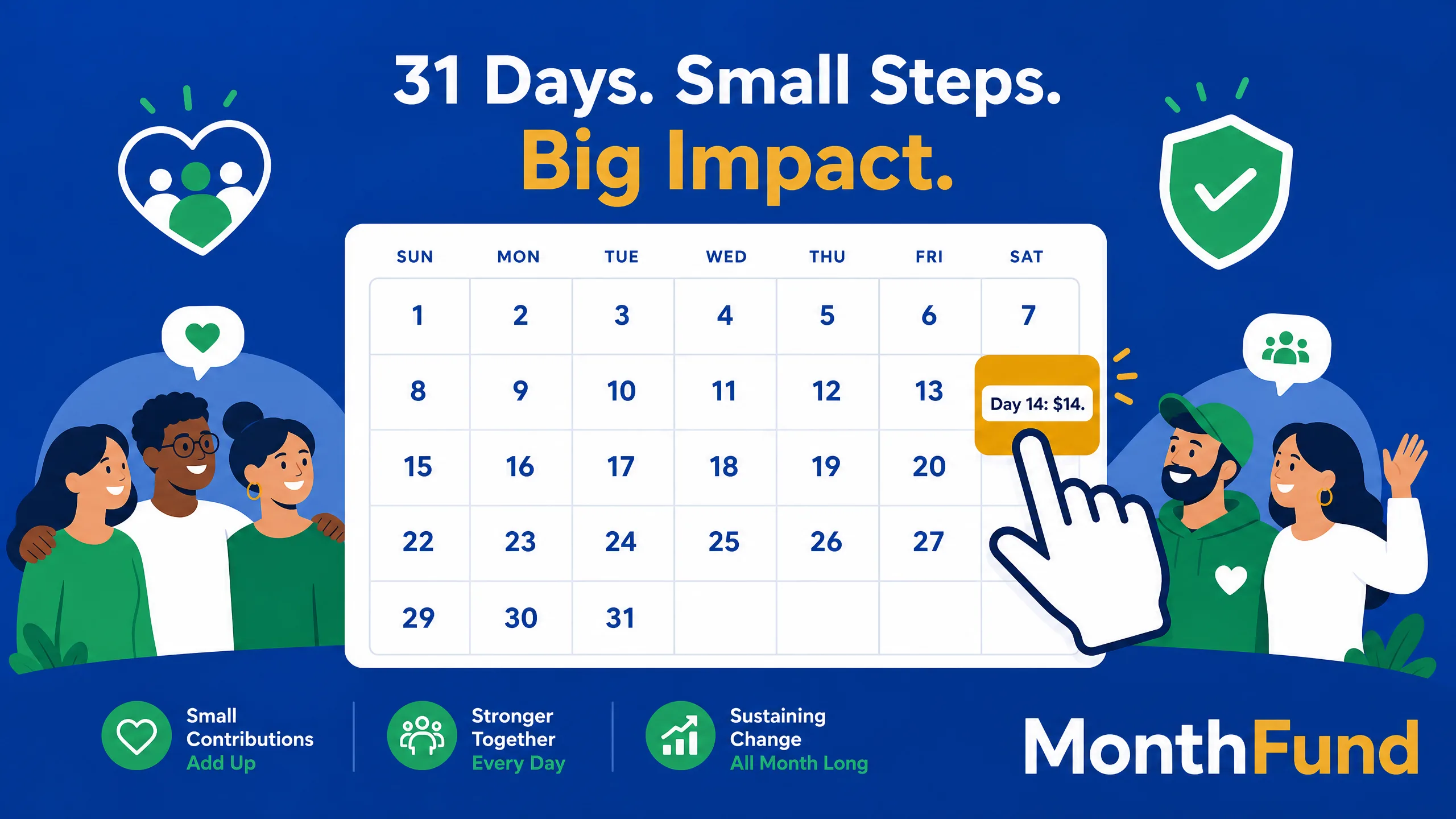
Paper vs Digital Pick-a-Date: Messages That Fill Days
Templates get you a grid — digital ops fill it. Paper photos, Venmo chasing, and launch/mid/last-days messages. Definition + math on the pillar.
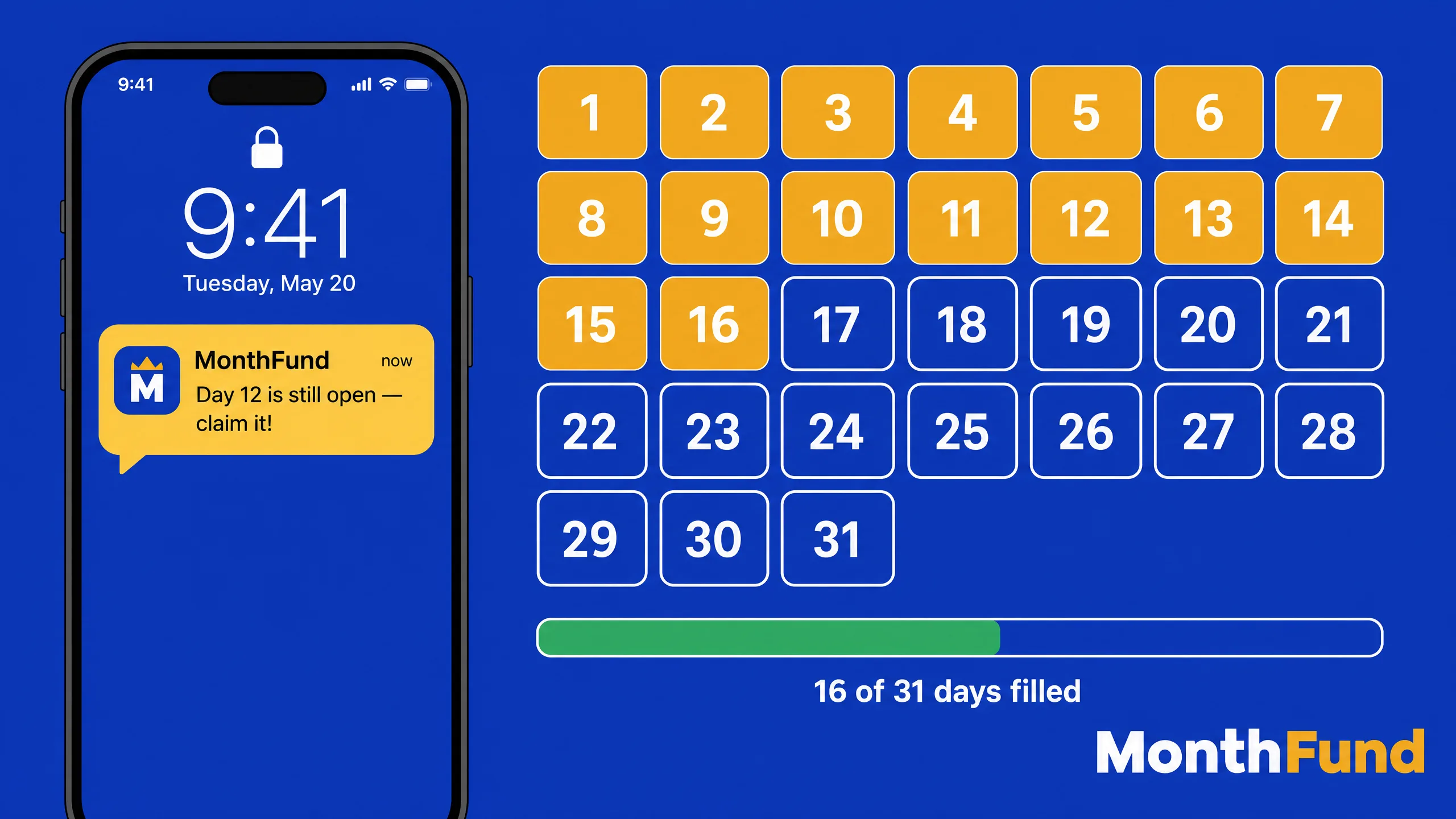
How to fill your calendar fundraiser: week-by-week nudges and mid-campaign strategies
Momentum stalls predictably around day seven. Here is what to do at each checkpoint, which nudges actually move fill rate, and how to close the month strong even if the calendar is not yet full.
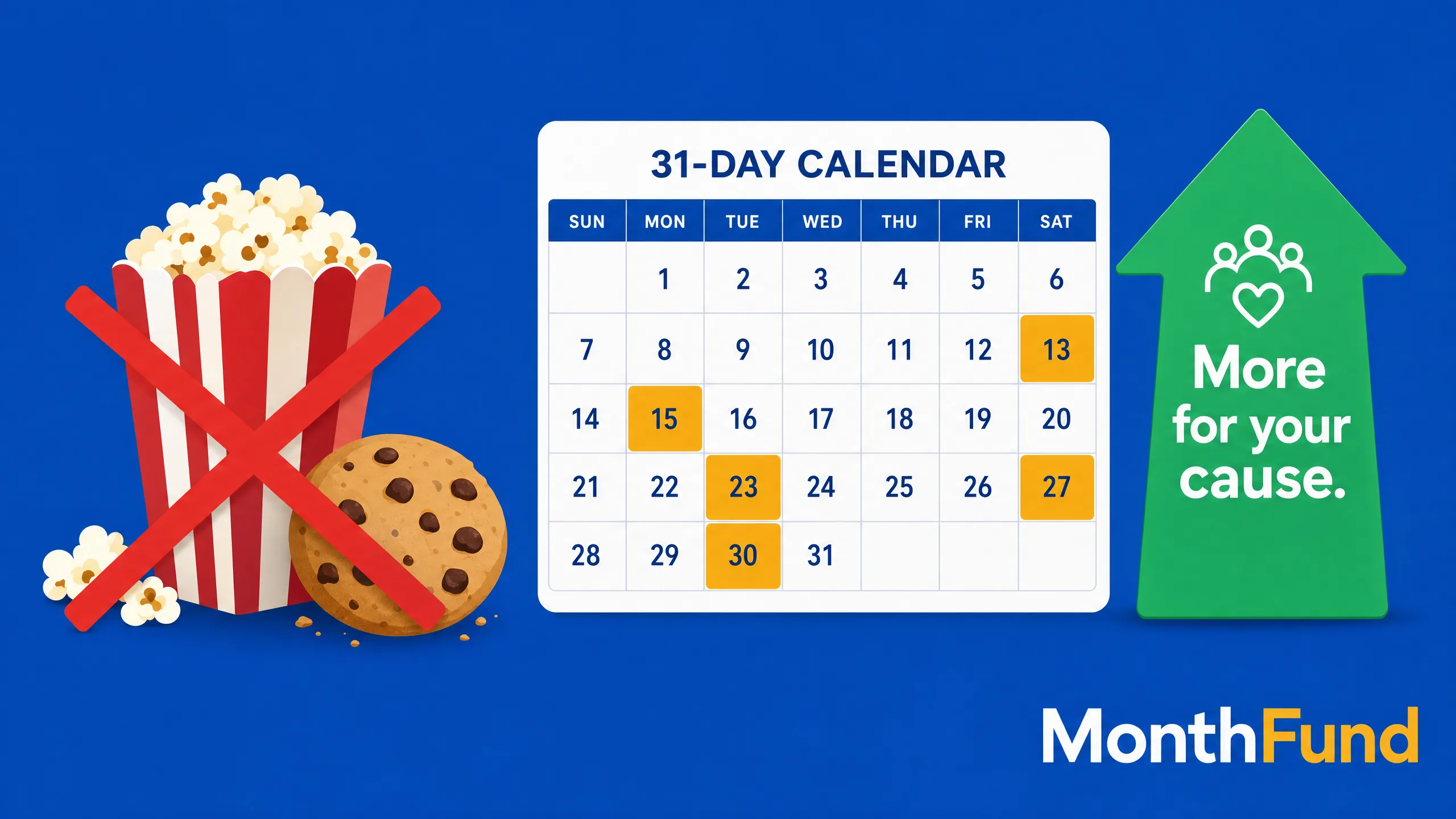
The 'No-Product' Fundraiser: Why skipping the popcorn and cookies raises more for your community
Tired of order forms and inventory? See why a calendar-based model removes the logistics burden while keeping 100% of the focus on your cause.
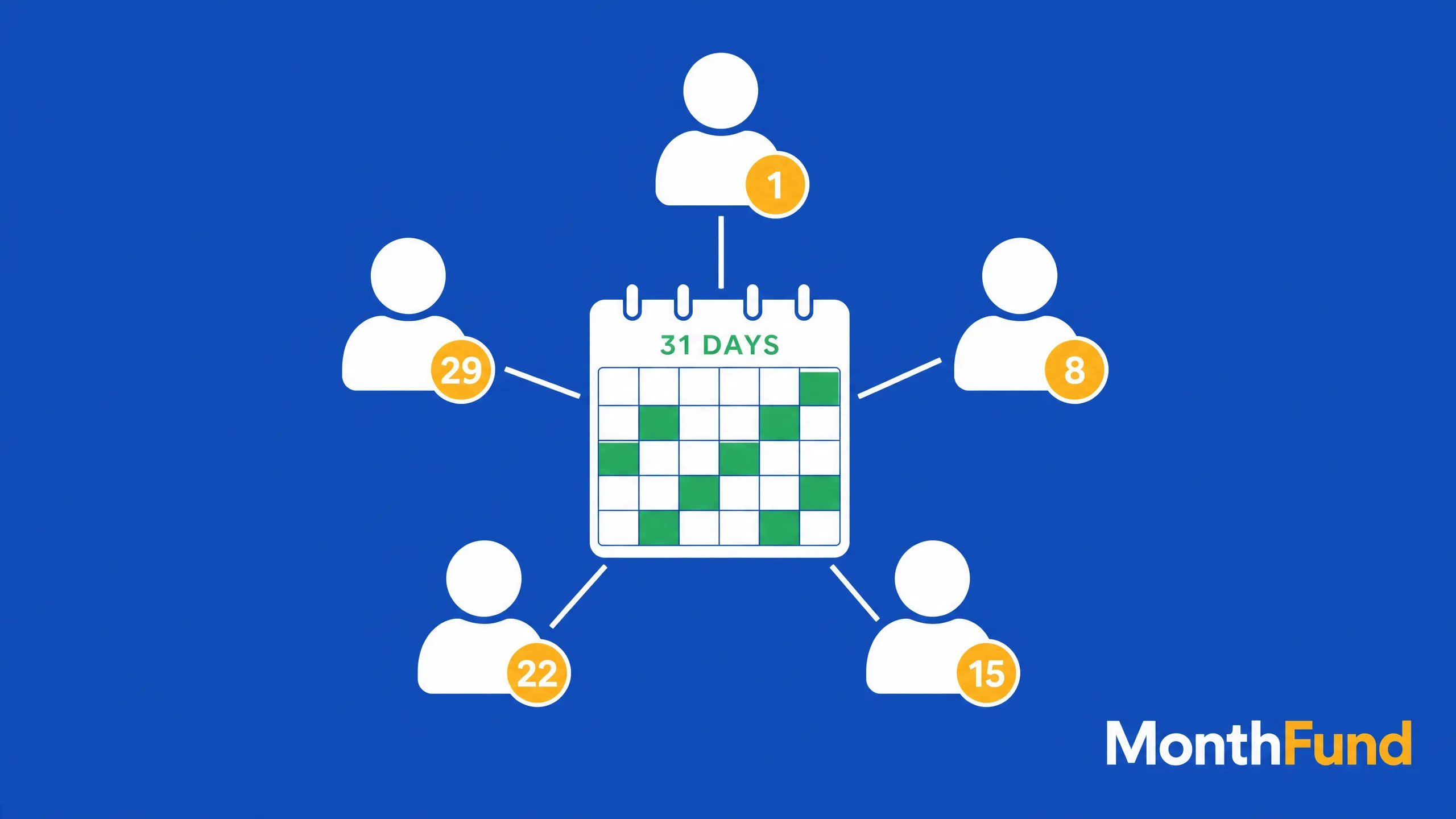
Mutual aid calendar fundraiser: monthly rhythm, shared labor, and organizer sustainability
Ongoing mutual aid needs structure that does not collapse onto the same few people. A calendar fundraiser adds a bounded month, distributed day-owners, and a public grid you can repeat without reinventing the playbook.
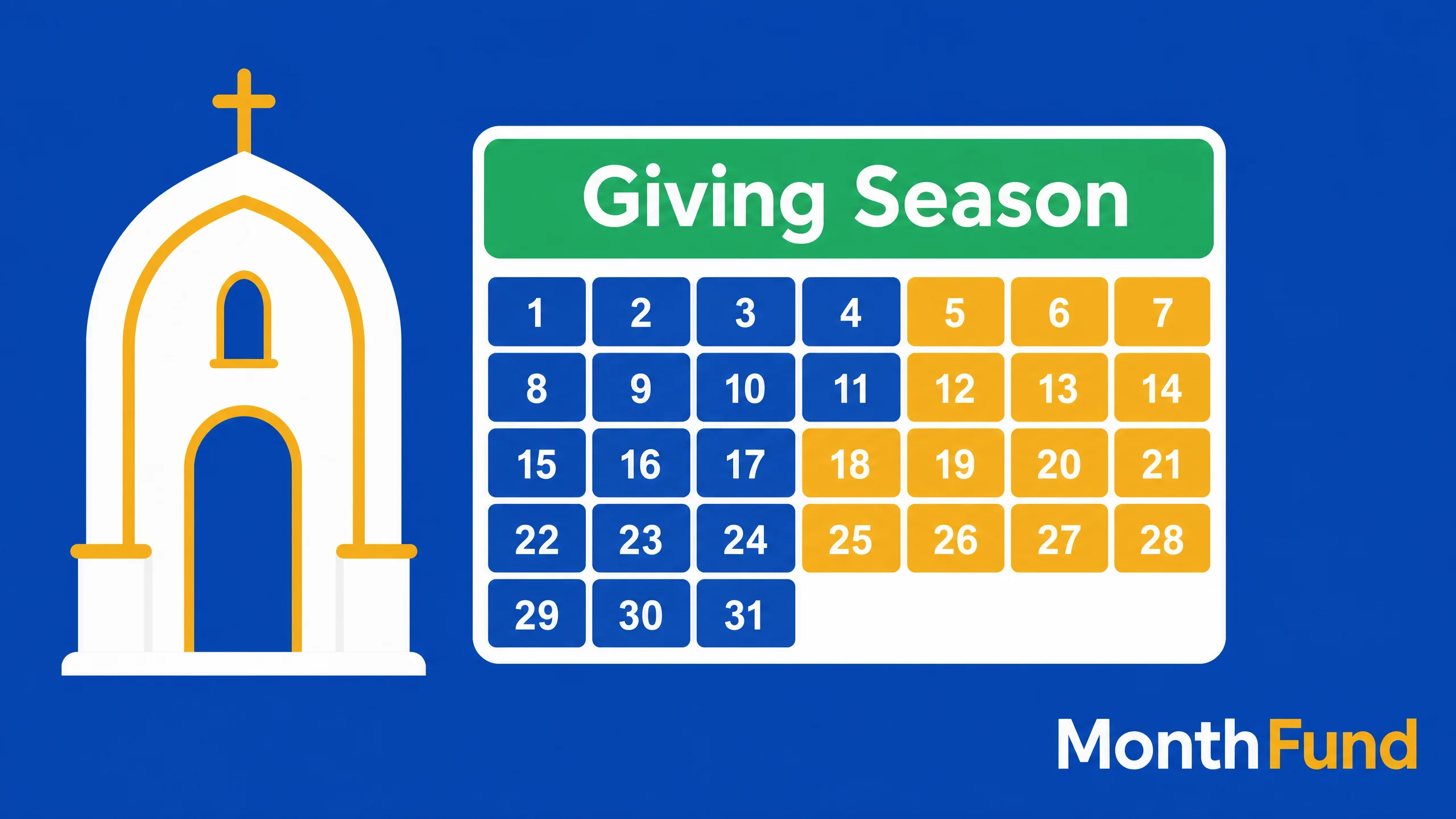
Faith community calendar fundraiser: stewardship season on one month grid
Run a calendar fundraiser during giving season: bounded month, many members as day-owners, public grid. Fits beside pledges and events; messaging and leadership notes for congregations.
Grassroots calendar fundraiser: fast coordination for local campaigns
Grassroots or issue campaign? A calendar fundraiser turns supporters into peer fundraisers on a public month grid—fast launch when momentum is real, plus how it fits with events and email.
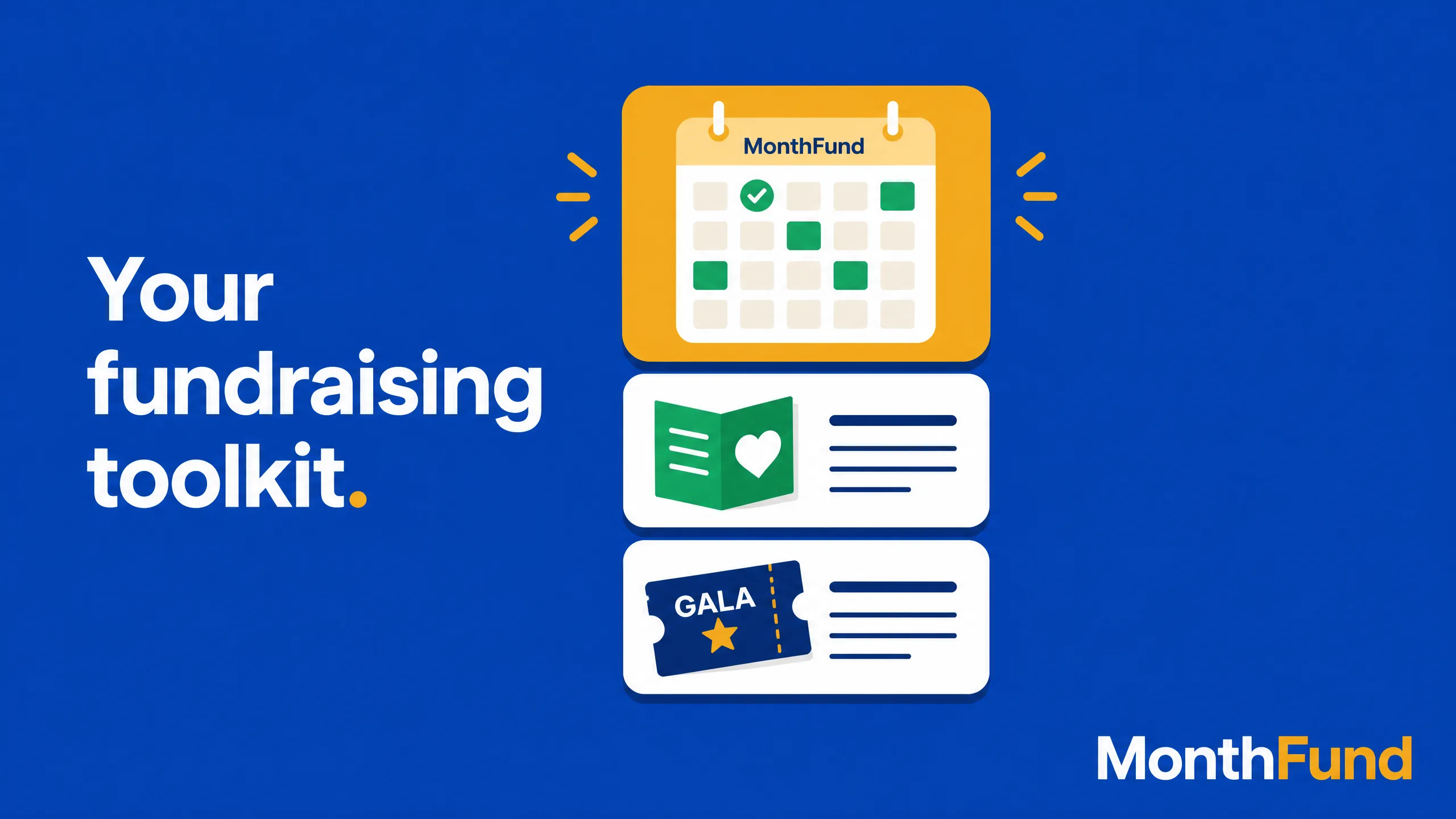
How calendar fundraisers fit with galas, catalogs, and other fundraising (toolkit, not replacement)
MonthFund is one powerful layer in a larger toolkit. See how a calendar month complements product sales, ticketed events, and open donate pages, with patterns you can use around a 5K or gala.
Youth sports booster clubs: add a calendar fundraiser alongside concessions and game-night revenue
Snack bars and one-night raffles are real money. Many boosters still add a calendar month so dozens of families each carry a day, donors see the grid fill, and travel deposits feel less like a guess.
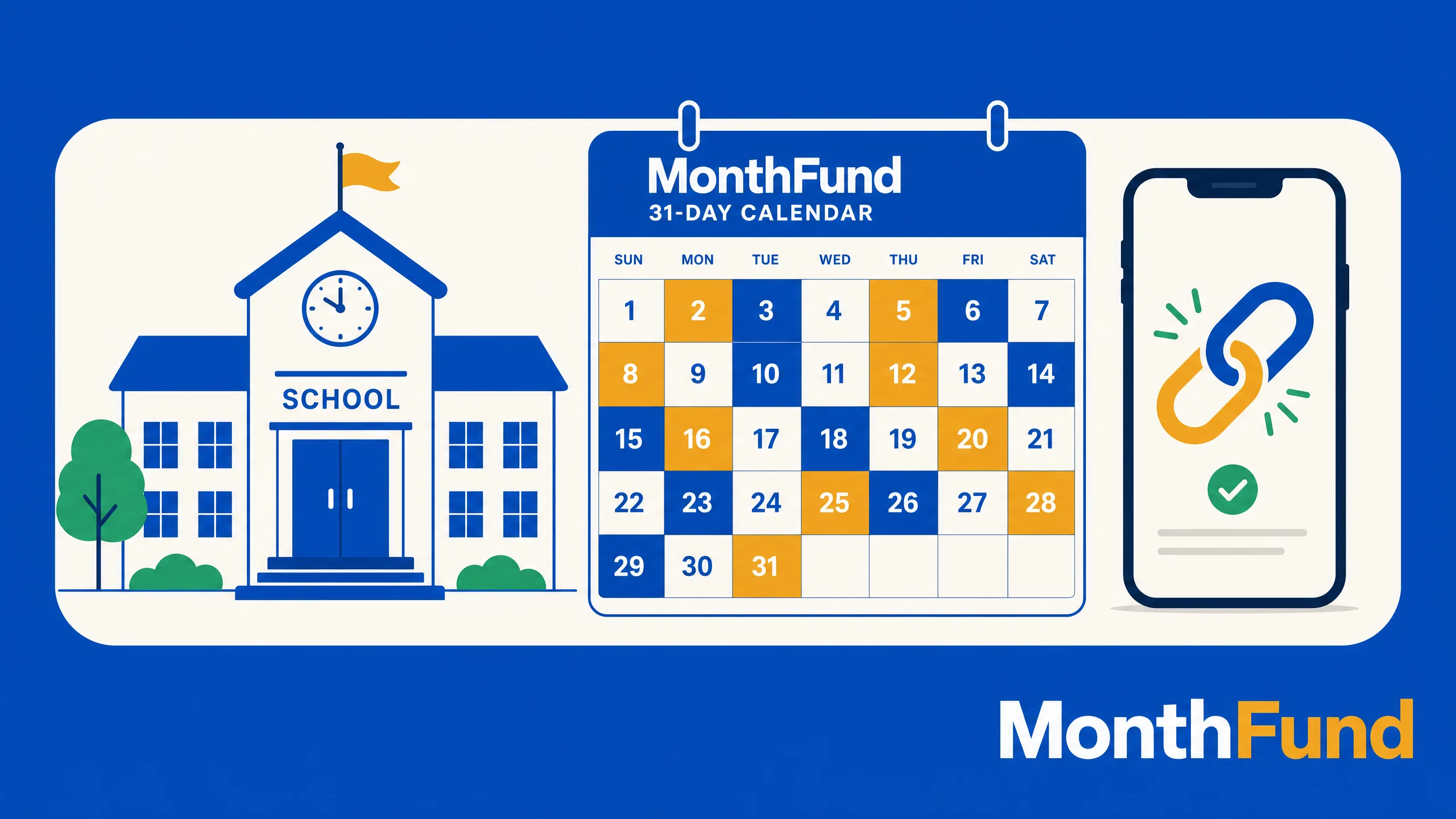
Why MonthFund works for schools and PTAs: the calendar fundraiser structure parents can trust
No products to sell for this campaign. Here is why a calendar fundraiser fits PTA life: clear day-level asks that sit well beside auctions, fun runs, or catalog seasons your school already runs.
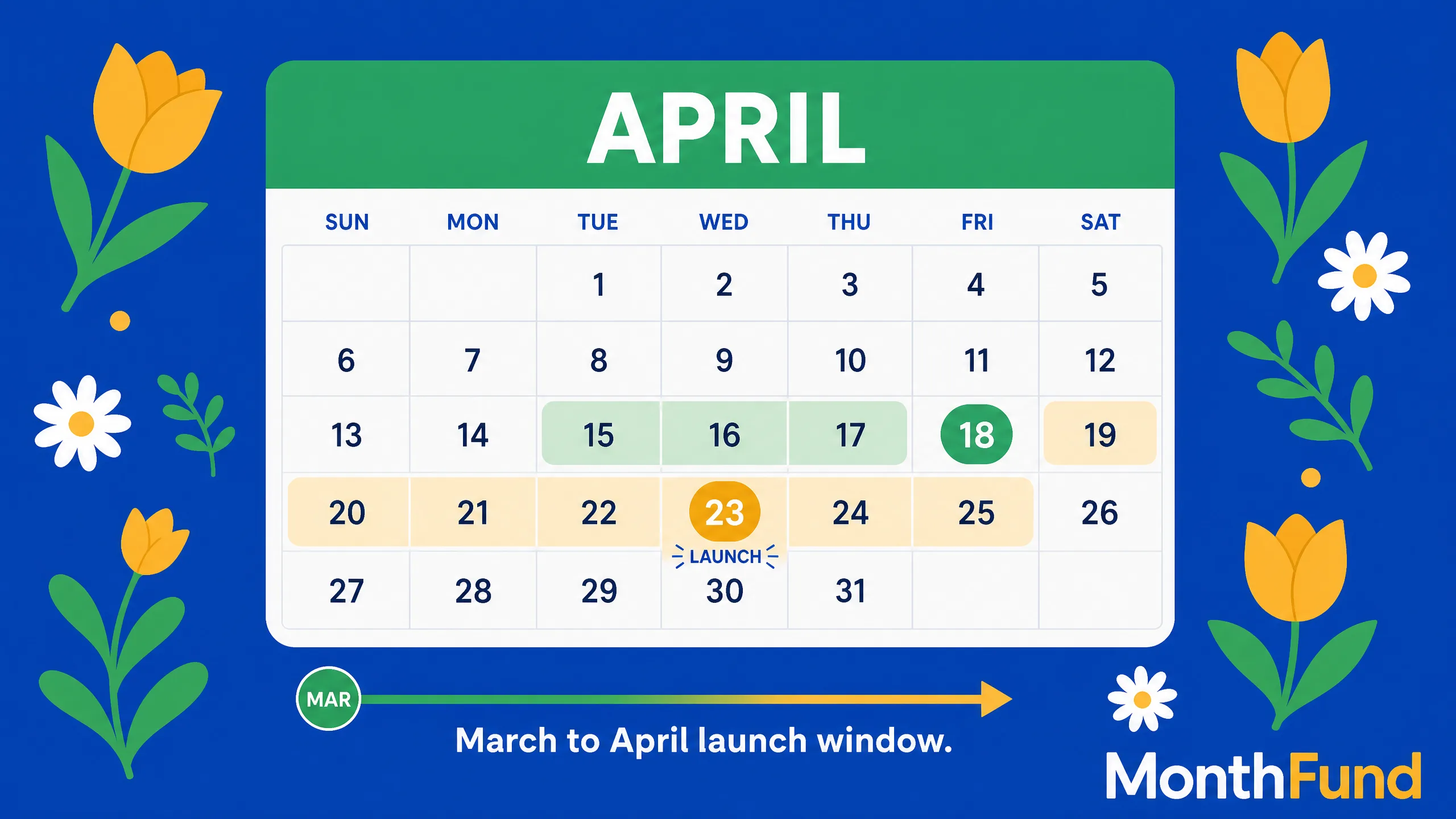
Spring calendar fundraiser playbook: March and April timing, themes, and recruitment
Spring budgets wake up when winter campaigns wind down. Plan a month calendar fundraiser with the right launch window, clear messaging, and a recruitment list that survives the school break.
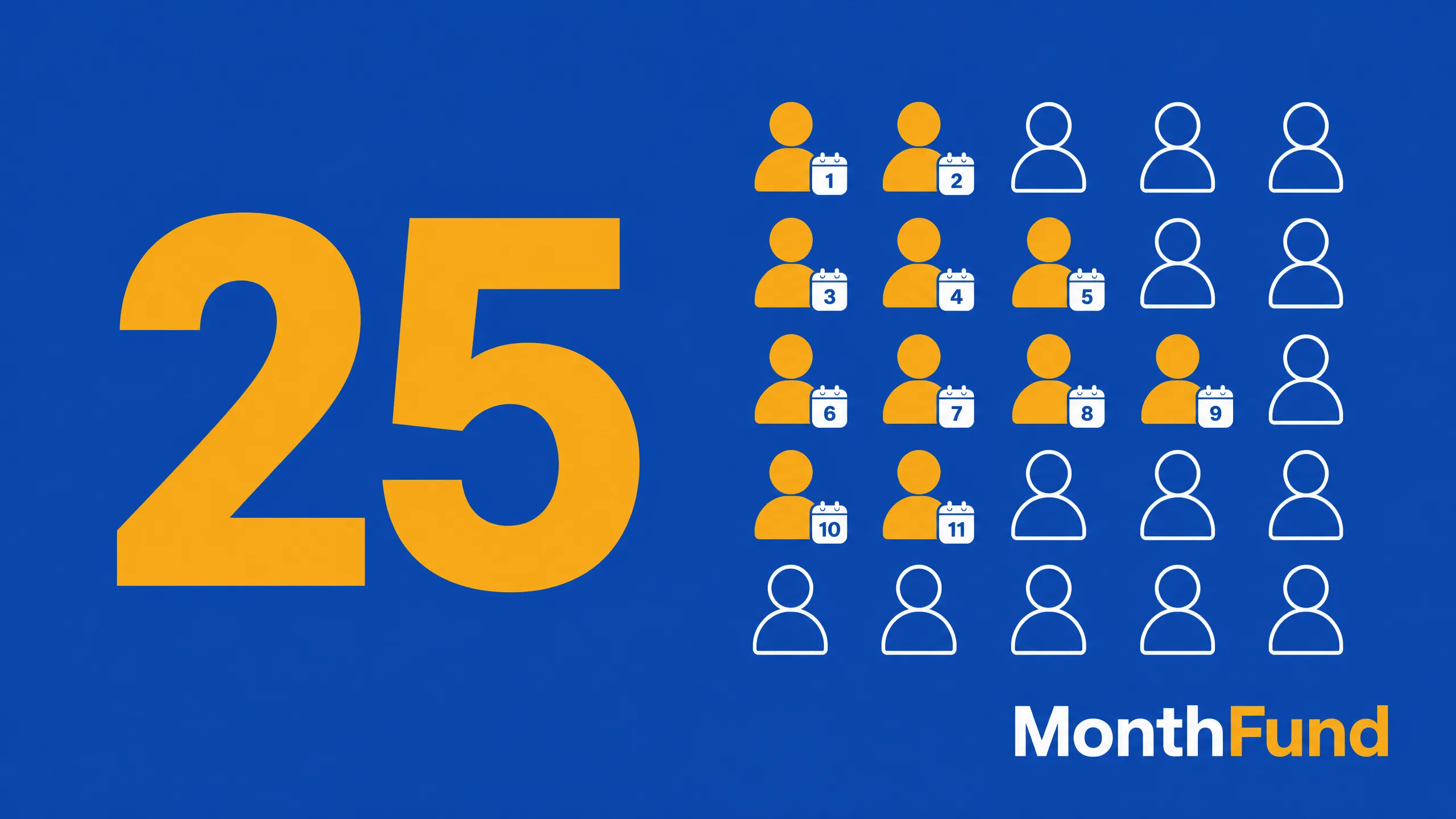
How to recruit 25 participants for your first calendar fundraiser campaign
The difference between a good first month and a hard one is almost always participant recruitment for your calendar fundraiser. Here is how to find, invite, and activate your first cohort.
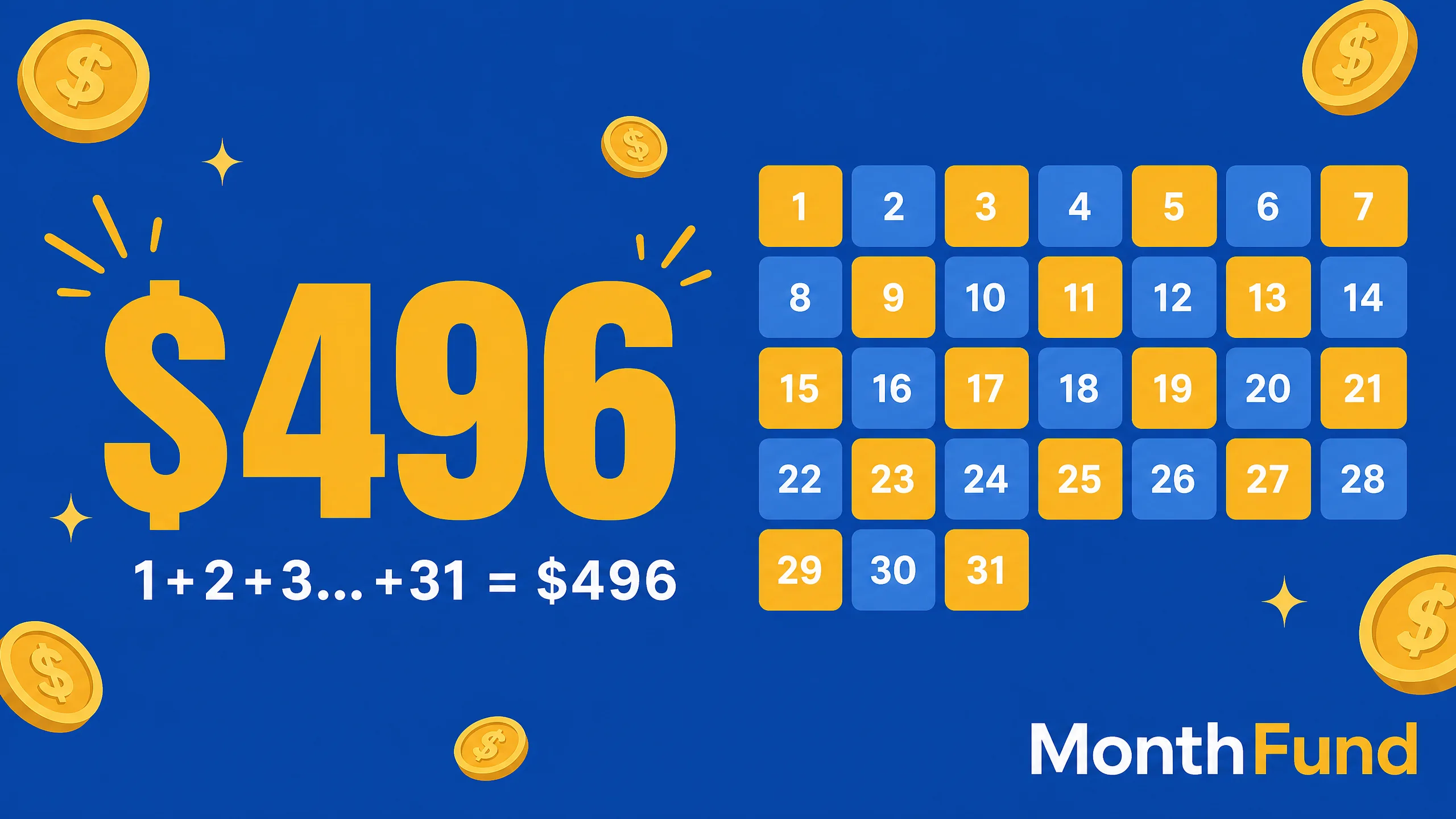
The $496 number: what one full calendar fundraiser raises (and how to model it)
1+2+3…+31 = 496. Here is why it matters for every calendar fundraiser, how to model realistic outcomes before you recruit anyone, and how to think about scale.
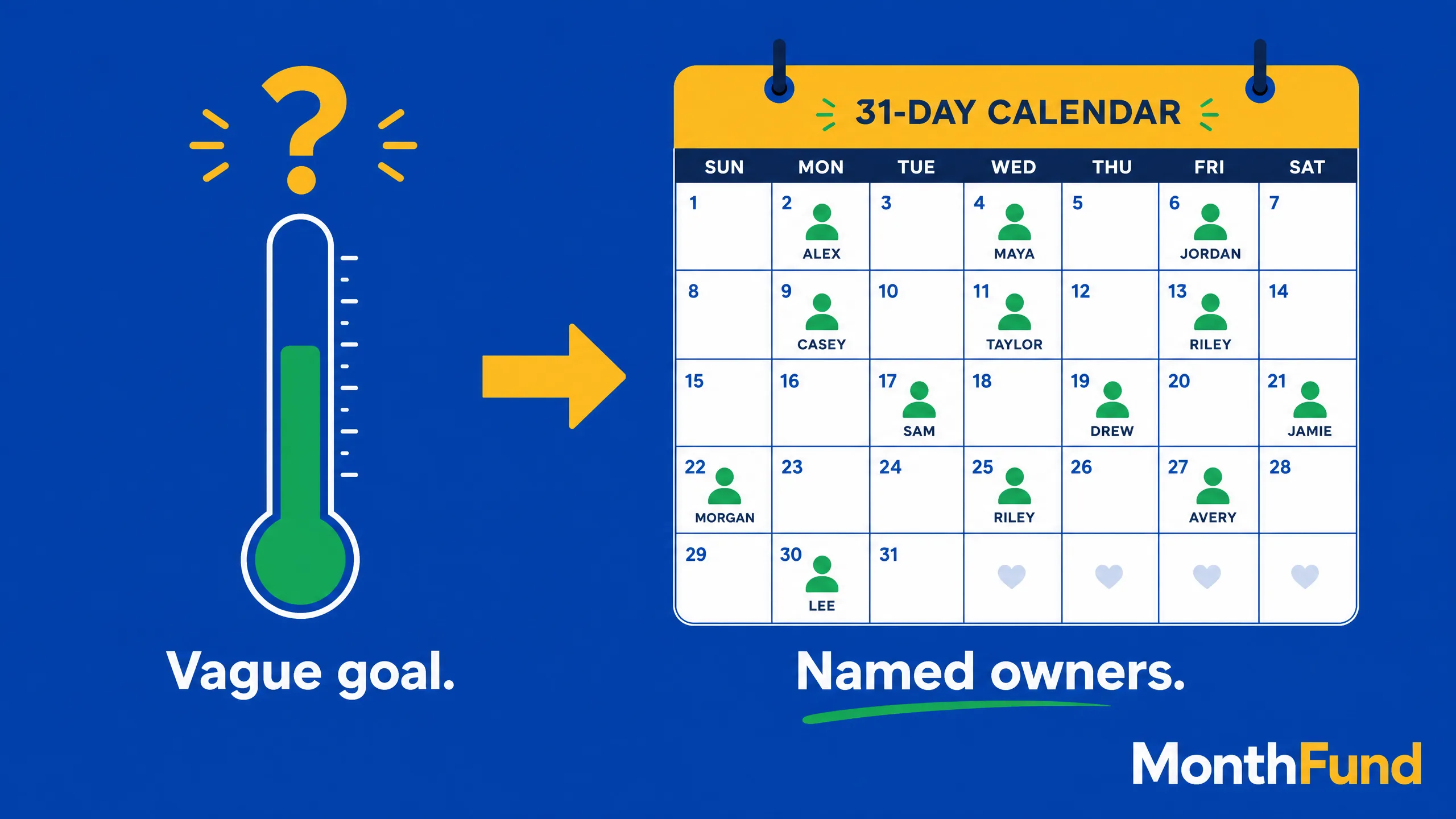
Why the calendar is the point: how structure drives fundraising accountability
A goal meter shows one aggregate; a month calendar shows named days and owners. Here is why that structure matters for follow-through, and how it complements other fundraising you already run.
The organizer's brief. Monthly.
Short, practical, and specific, especially for planning your month and running a calendar fundraiser. Strategy, campaign breakdowns, and MonthFund product updates, sent once a month.
No spam. One email per month when you subscribe.
Still have a question? Ask us directly.
We respond to every inquiry, usually within one business day.